
Table of Contents
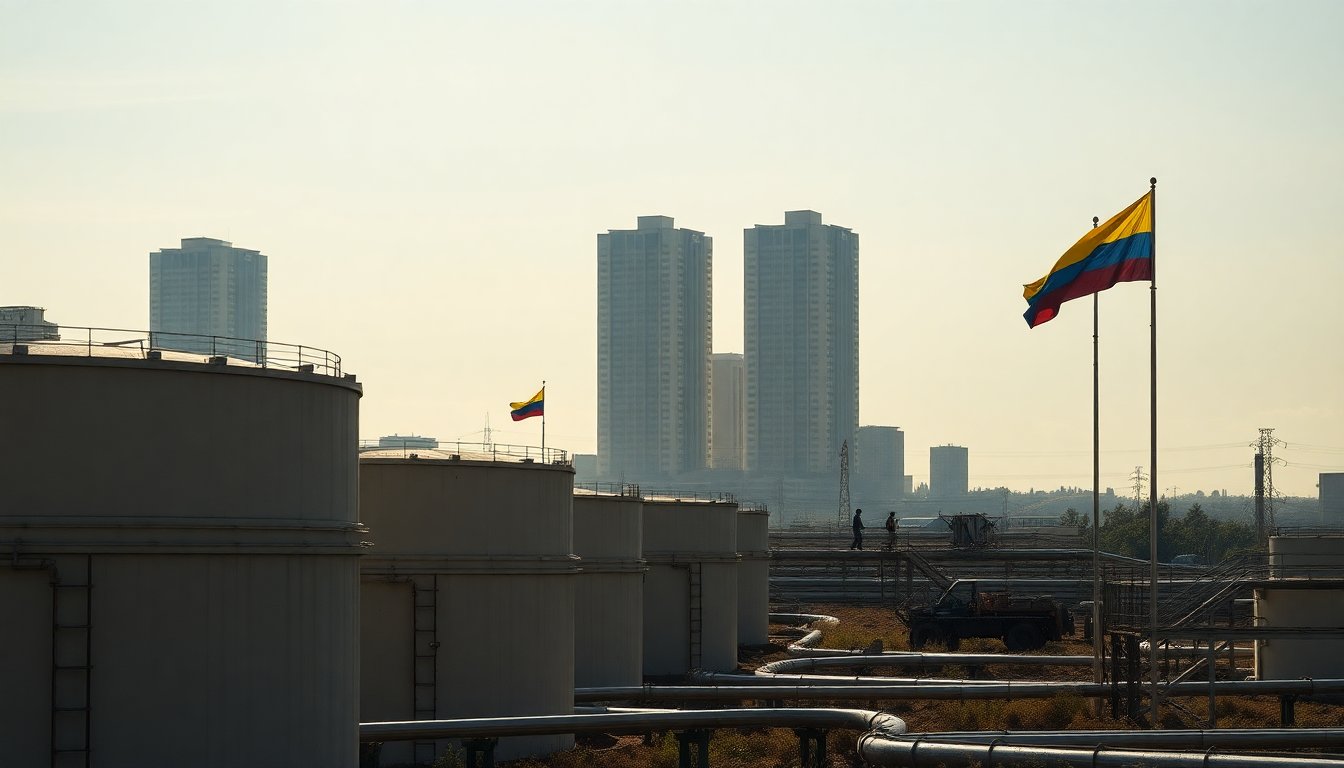
In a notable shift in policy, the Trump administration has relaxed restrictions on U.S. companies engaging in the sale of Venezuelan oil. This decision follows Venezuela’s recent reforms aimed at attracting foreign investment. The U.S. Treasury Department has issued a general license allowing American firms to trade Venezuelan oil under specific conditions.
This announcement comes after a military operation that led to the ousting of Nicolás Maduro, the contentious leader of Venezuela. The new framework seeks to stabilize the nation’s struggling economy while simultaneously supporting U.S. interests.
Details of the oil trade arrangement
Two major trading companies, Vitol and Trafigura, have received confidential licenses to facilitate oil sales from Venezuela. However, these companies have faced allegations of bribery and corruption, raising concerns among lawmakers and anti-corruption advocates. The licenses were granted in early January, shortly after the administration’s controversial military intervention, marking a significant change in U.S.-Venezuela relations.
Concerns over past transgressions
Both Vitol and Trafigura have encountered legal issues in the past due to bribery schemes related to oil sales in other nations. Vitol previously paid $135 million in penalties for bribing officials in Latin America, while Trafigura acknowledged guilt in a separate case involving a $61 million profit from a corruption scheme in Brazil. These histories raise questions about the integrity of the current arrangement.
Despite these concerns, administration officials emphasize that these firms are among the few capable of executing complex oil transactions quickly. They assert that initial oil sales, valued at approximately $500 million, will help revitalize the Venezuelan economy, despite ongoing sanctions.
Political implications and financial oversight
The political context surrounding this oil deal is laden with tension. Critics accuse the Trump administration of exploiting Venezuelan resources for political advantage, particularly due to substantial donations from Vitol executives to Trump’s campaign. Ethical concerns arise from the use of offshore accounts in Qatar with minimal oversight, sparking outrage among congressional Democrats.
Calls for transparency
U.S. Representative Lloyd Doggett has formally sought clarity regarding the administration’s management of Venezuelan oil revenues, questioning the legal framework governing these funds. Concerns persist that President Trump’s administration may leverage this deal to favor particular donors and allies, complicating the political narrative further.
In correspondence with key officials, Doggett highlighted the necessity of ensuring that the Venezuelan government does not misuse funds from oil sales, particularly given past connections to corruption and drug trafficking allegations against Venezuelan leaders.
Future outlook and market dynamics
The long-term effects of this new policy remain uncertain. While the administration asserts that proceeds from oil sales will benefit Venezuelan citizens, skepticism about the transparency and accountability of these transactions persists. The deal stipulates that at least half of the oil sold must go to U.S. buyers, with the remainder likely targeting Asian markets.
Industry experts caution that the deal’s structure could potentially shield profits from creditors with claims against Venezuela, raising ethical concerns regarding U.S. involvement in resource management abroad.
This announcement comes after a military operation that led to the ousting of Nicolás Maduro, the contentious leader of Venezuela. The new framework seeks to stabilize the nation’s struggling economy while simultaneously supporting U.S. interests.0
This announcement comes after a military operation that led to the ousting of Nicolás Maduro, the contentious leader of Venezuela. The new framework seeks to stabilize the nation’s struggling economy while simultaneously supporting U.S. interests.1