
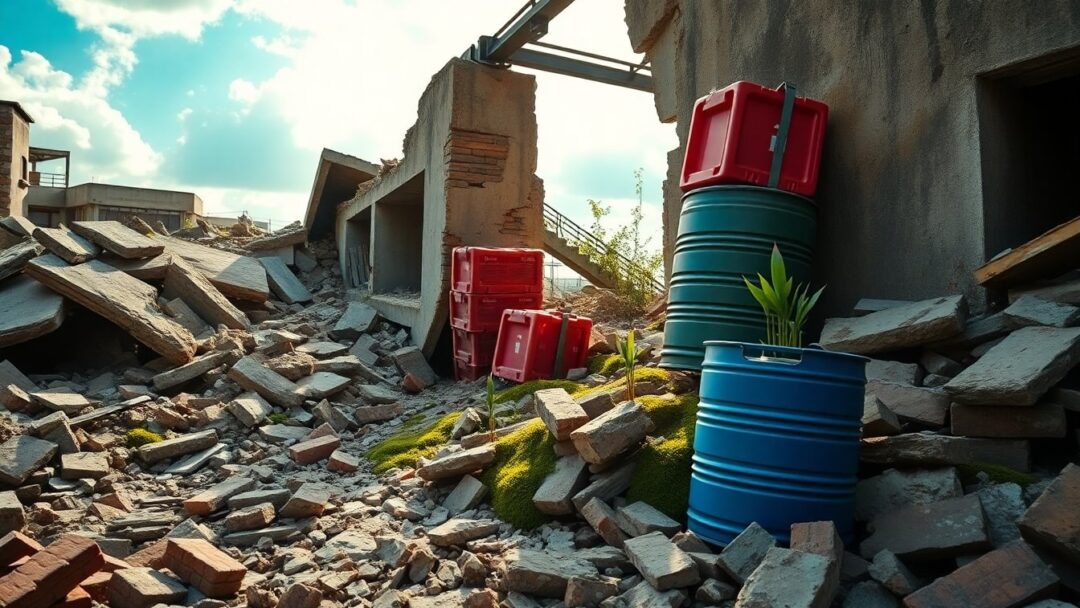
The Caribbean nation of Venezuela is grappling with the aftermath of two powerful earthquakes that struck late on Wednesday, leaving a trail of destruction and despair. As the death toll continues to rise, the international community has swiftly mobilized to provide aid and support to the stricken country.
The most recent figures, provided by acting President Delcy Rodriguez indicate that at least 589 people have lost their lives, with another 2,980 injured. The coastal state of La Guaira located just northwest of the capital Caracas has been particularly hard hit, with extensive damage to infrastructure and homes.
International aid and military support
The United States has swiftly responded to the crisis, with the U.S. Southern Command deploying military assets to assist in relief efforts. Two U.S. Navy ships the USS Fort Lauderdale and the USS Billings along with transport aircraft and helicopters, have been assigned to support the operations. U.S. Marine Maj. Gen. Kevin J. Jarrard has been sent to Caracas to oversee the Pentagon’s relief efforts.
Other nations have also pledged their support. China has offered disaster relief and reconstruction support, while Germany has dispatched aid workers and relief supplies via military transport planes. The Spanish Foreign Ministry has confirmed the deaths of two Spanish nationals and expressed concern for the dozens still missing.
The human toll and ongoing rescue efforts
The earthquakes have claimed the lives of at least 18 foreign nationals including citizens from PortugalSpainBrazilChina and Chile. The Venezuelan Health Minister has reported that at least 4,300 people have been injured, although the figures provided by Rodriguez were lower, raising questions about the discrepancy.
Rescue efforts are ongoing, with teams searching for survivors amid the rubble of collapsed buildings. Acting President Rodriguez has assured the public that every effort is being made to rescue those still trapped. The international community continues to monitor the situation closely, with more aid and support expected to arrive in the coming days.
Geopolitical implications and future challenges
The earthquakes have not only caused significant human and material damage but also present a geopolitical stress test for Venezuela’s interim government. Dr. Annette Idler an associate professor at Oxford University has highlighted the importance of balancing international support with local ownership in the recovery process. The way in which aid is structured and implemented will play a crucial role in shaping Venezuela’s political future and its relationship with the United States.
As the world watches and waits, the people of Venezuela face a long and challenging road to recovery. The outpouring of international support is a testament to global solidarity in the face of disaster, but the true test will be in the months and years ahead as the country works to rebuild and heal.


