
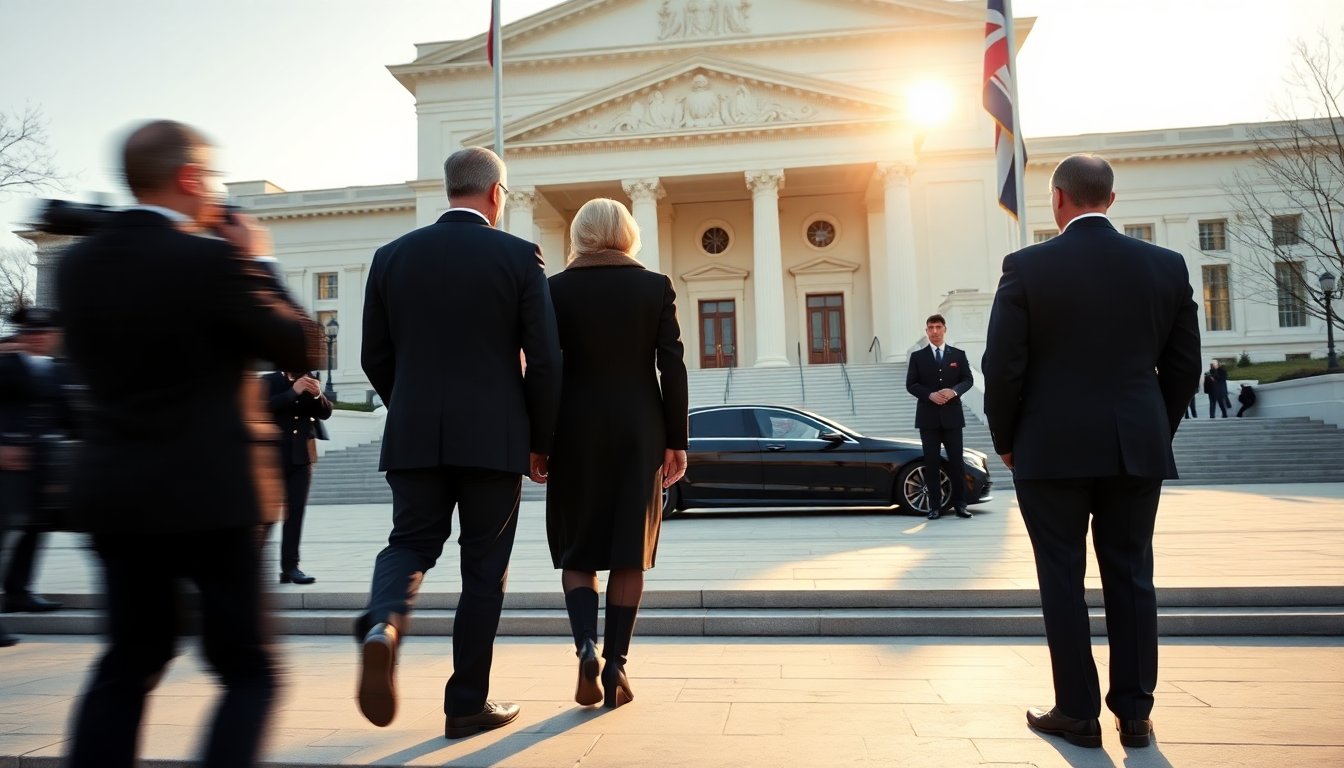
The arrival of King Charles and Queen Camilla for a short but tightly scheduled state visit brings together pomp, policy and personal causes. The couple’s tour spans Washington, New York and Virginia between 27 and 30 April, offering formal ceremonies at the White House alongside community-focused events in the states. Observers see this as an opportunity to celebrate long-standing ties while navigating elevated diplomatic tensions between the two governments.
This trip is presented as a commemoration of shared history and ongoing cooperation—an emphasis Buckingham Palace described as highlighting the breadth of the economic, security and cultural relationship. At the same time, the visit unfolds in a sensitive political climate, where disagreements between leaders and military concerns complicate the usual celebratory narrative. The itinerary balances high-visibility rituals with visits tied to causes the royals have championed for years.
Washington: ceremony, private moments and formal audiences
The Washington leg begins with a private afternoon tea hosted by President Donald Trump and First Lady Melania Trump, and that intimacy is deliberate. A private tea is meant to allow quieter conversation away from reporters and flashing cameras, enabling the sovereign and the president to meet without the usual media scrutiny. Later, a garden party at the British ambassador’s residence will gather a cross-section of guests who represent the cultural and diplomatic ties between the two nations, continuing a tradition that stretches back decades.
Military pageantry and public addresses
State visits typically feature a military review—a visual confirmation of alliance history and shared defence commitments—and this visit is no exception. The White House welcome will include ceremonial music, a 21-gun salute and an inspection of troops, underscoring the long-standing military partnership. The King will also address the U.S. Congress, a rare event for a British monarch and one that highlights the symbolic importance of the trip. That speech, coupled with remarks at the state dinner, will draw close attention to tone and messaging as much as to content.
New York and Virginia: causes, remembrance and community ties
After Washington, the itinerary shifts to engagements focused on charitable work and community resilience. In New York, the royals will pause for a commemorative event marking the 25th anniversary of the Sept. 11 attacks later this year, meeting first responders and families affected by the tragedy. King Charles will meet organizations tackling food insecurity and will talk with leaders in finance and culture, while Queen Camilla will highlight literacy and literature—areas she has long supported through her patronages and public work.
Virginia: grassroots events and conservation
The final stop in Virginia emphasizes neighborhood connections and environmental stewardship. A public block party will celebrate the 250th anniversary of American independence with local communities, echoing the royals’ interest in community building. The program also includes visits to conservation projects and a meeting with an Indigenous community in a national park, reflecting the royal couple’s sustained interest in ecological protection and cultural engagement. Camilla will spotlight horse racing links between the U.K. and the U.S. during an agricultural visit.
Missing faces and diplomatic complications
Notable by their absence are certain people and meetings that some observers expected or requested. Prince Harry—whose relationship with the monarch is strained and who lives in California—is not on the schedule, and planned meetings with survivors connected to the Jeffrey Epstein scandal are not taking place. Calls from some U.S. lawmakers for the King to meet survivors were not included, in part due to sensitive legal matters in the U.K. involving other members of the royal family and in part to avoid the perception that the itinerary was being shaped by individual political actors.
Security has also been a concern following isolated incidents at public events in Washington. Authorities coordinated across agencies to ensure protection for the royals and their hosts, while Buckingham Palace stressed that the visit would go ahead with appropriate safeguards. In sum, the trip is being managed to preserve continuity and ceremony while navigating unusual political and legal sensitivities that make this state visit more complicated than most.
Ultimately, the visit mixes the familiar trappings of diplomacy—ceremonial welcomes, formal addresses and shared traditions—with focused attention on the charitable and cultural priorities the King and Queen have long pursued. Observers will watch not only the public moments of ceremony but also how quieter engagements and absences reflect wider geopolitical and personal realities shaping the U.K.-U.S. relationship.


