
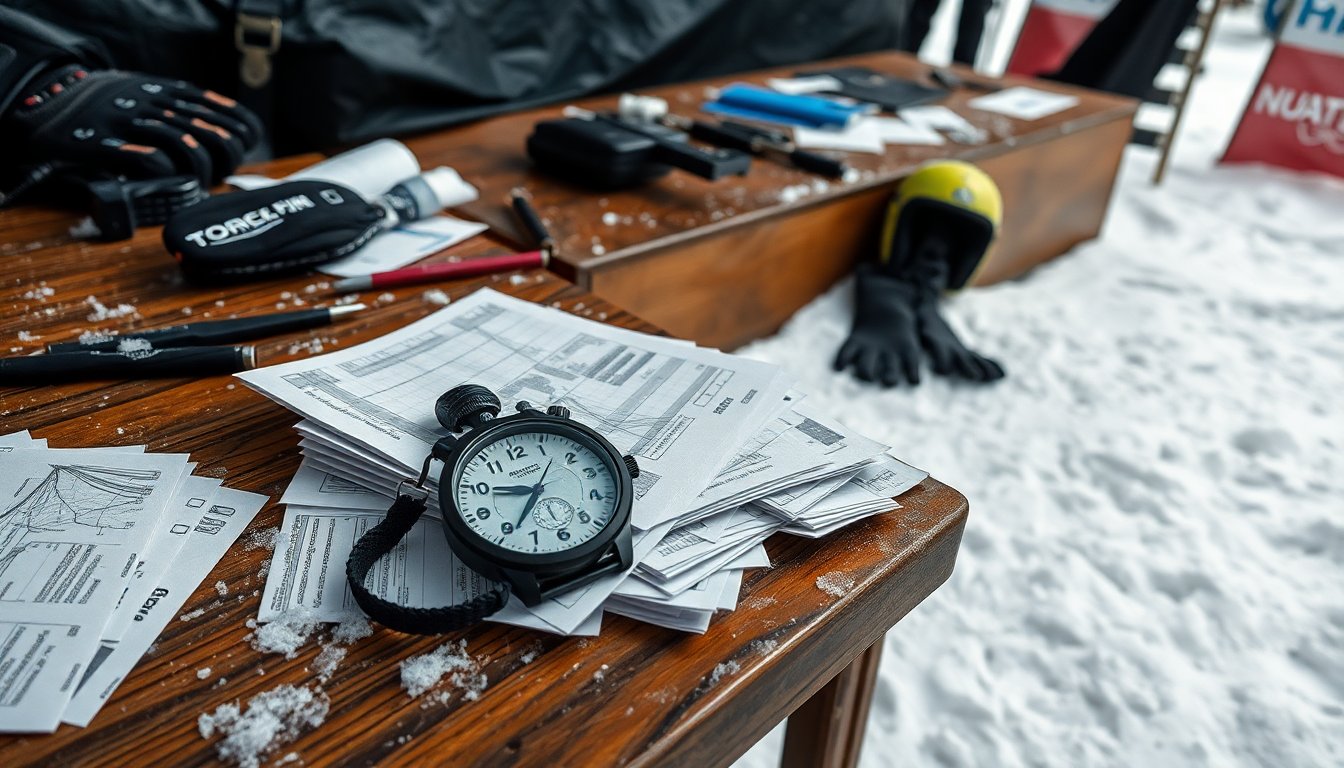
Team USA arrived in Milan–Cortina with lofty expectations — and the documents we reviewed explain why those hopes were so high. The delegation of 232 athletes included medal favorites across skiing, snowboarding, figure skating and speedskating, and preseason models and media forecasts painted a picture of a heavy gold haul. After the opening week, however, the tally of top-step finishes lags behind many projections. Our review of official start lists, timing logs, judges’ scorecards and internal team reports shows a more complicated reality: frequent podium appearances, several standout victories, and numerous razor-thin losses that together reshaped both public optimism and internal planning.
What the records show
– Source material: organizing-committee medal tables, event result sheets, timing splits, judges’ scorecards, coach debriefs and internal performance briefs.
– Pattern: Americans consistently reached finals and secured medals, but many of those medals were silver or bronze rather than the golds forecast by preseason models.
– Drivers: tiny margins — hundredths of a second or a single scoring element — plus equipment hiccups, variable course conditions and opponent peak performances decided many events.
Bright spots: clear wins and milestone moments
The files single out several definitive performances that kept Team USA’s prospects alive. Speedskater Jordan Stolz posted an authoritative gold in the men’s 1,000 m, setting a new Olympic mark and giving the team both points and momentum. On the Stelvio, Breezy Johnson produced a technically impressive downhill run to take gold. The U.S. also captured top honors in the figure-skating team event after strong showings from ice dancers and singles skaters. Performance analytics included with the documents show measurable gains — cleaner starts, steadier lap times and higher program component scores — that underpin these podium results.
Near misses and surprising setbacks
Equally common in the files are accounts of agonizingly close losses. Chloe Kim, despite a high-scoring qualifier, settled for silver in halfpipe after being just edged by a 17-year-old rival; reigning ice-dance world champions Madison Chock and Evan Bates likewise took silver in a narrow decision. Across moguls, luge, cross-country and other disciplines, several U.S. athletes posted personal- or season-best marks and still came up short. Coach reports point to equipment issues, minute timing differentials and marginal course variability as recurring themes. Internal notes show staff immediately requested expedited reviews of training loads, recovery windows and travel plans to figure out whether these were temporary variances or indicative of deeper gaps.
How these results unfolded
Putting the documents together produces a clear sequence: strong qualifying performances often set high expectations, but finals were decided by single variables — a judge’s discretionary mark, a last-minute gust of wind, a slightly worn line in the snow. Timing logs and judge reports trace many losses to late-race deterioration or one isolated technical error. In other cases, opponents delivered near-perfect final attempts at the most decisive moments. The cumulative effect: a cluster of close defeats that, while not reflecting poor
Who mattered most
The investigation highlights a handful of athletes and support roles that drove outcomes. In addition to Stolz, Johnson, Kim, Chock and Bates, names like Elizabeth Lemley and Ben Ogden appear repeatedly in performance logs. Equally visible in the documents are coaches, equipment technicians, sports psychologists and medical staff — the people making split-second decisions about line choice, gear swaps and whether an athlete should compete. Opposing athletes, particularly emerging teenagers who peaked perfectly, also show up as decisive factors in several files. Judges’ scoring tendencies and venue-specific conditions (ice quality, temperature, course wear) further shaped results.
What the evidence implies
Immediate implications are practical and strategic. Federations and team leaders are re-evaluating medal models, shifting emphasis toward recovery monitoring and final-round resilience, and debating whether selection criteria or in-competition tactics need adjustment. The documents point to likely changes: more simulation of high-pressure finals, targeted technical refinements for decisive elements, and perhaps different rotation choices that favor athletes in peak current form over pre-Games ranking alone. Sponsors, public narratives and funding discussions could pivot depending on how the remainder of the Games plays out.
Paths to recovery
The papers we reviewed show genuine routes for a late surge. Several alpine and freestyle finals remain, plus additional speedskating distances where Jordan Stolz could add medals. U.S. hockey and sliding teams also sit within striking distance of podiums, where momentum and one dominant performance can swing outcomes. Start orders, heat draws and recent World Cup form give realistic scenarios for converting near-misses into wins — particularly if coaching adjustments and equipment tuning address the tiny margins highlighted in timing sheets and video splits.
Tactical levers under consideration
– Prioritize athlete sequencing and recovery to favor those who can peak in finals.
– Intensify simulation of finals pressure and rehearse decisive technical elements.
– Increase equipment redundancy and faster turnaround for repairs or swaps.
– Lean on sports psychology and veteran leaders to stabilize performance under duress.
What happens next
Team staff are holding daily debriefs, monitoring biometric and performance data in real time, and standing ready to make mid-Games tactical changes. The documents outline scheduled reviews of training loads, selection decisions that may shift toward current form, and targeted interventions for athletes with the narrowest deficits. In short: the rest of the competition will test whether those documented adjustments can improve gold conversion rates. The evidence we reviewed paints a team that is highly competitive across many events but vulnerable in the smallest margins — the hundredths of seconds, the single scoring element, the one equipment failure. With key finals still to come and clear tactical levers available, a focused, data-driven response could yet rewrite the narrative. Which athletes seize those decisive moments will determine whether the early shortfall becomes merely a delay or a deeper lesson for the next cycle.