
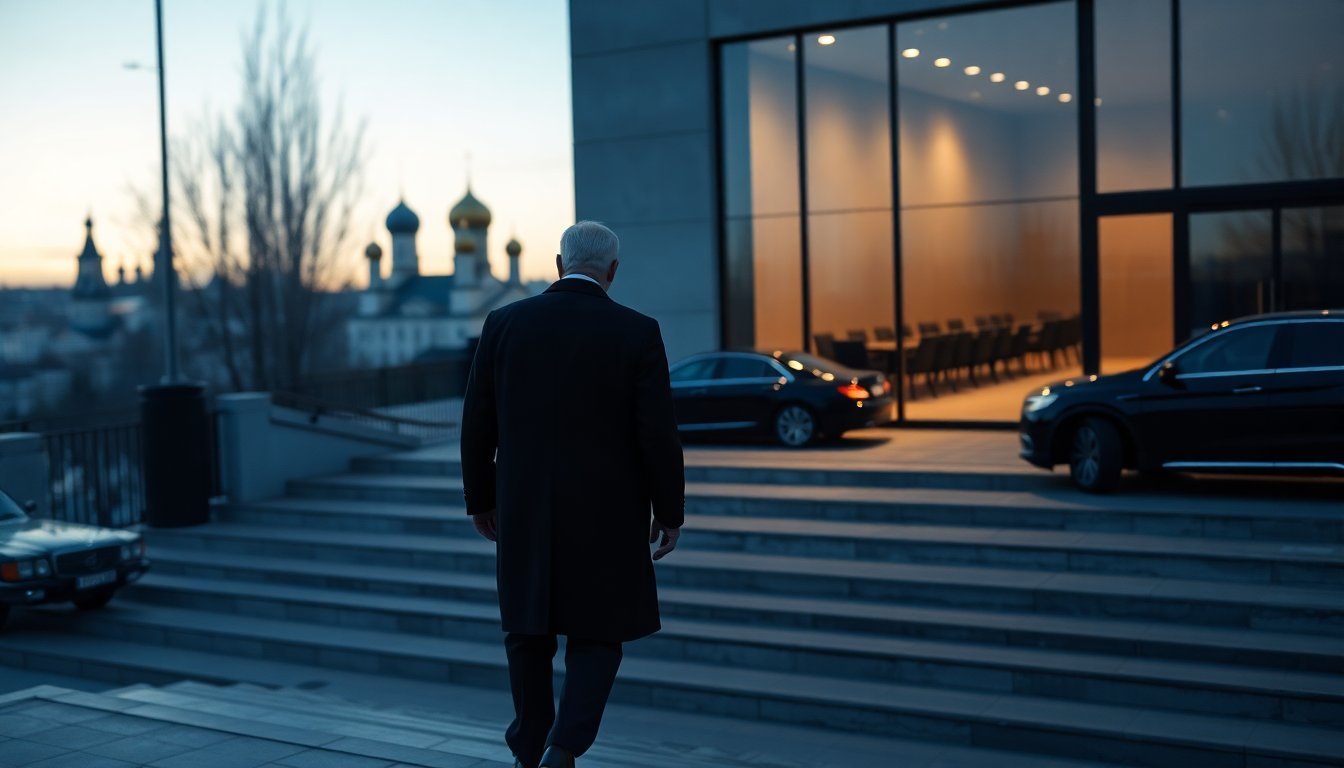
The U.S. embassy in Kyiv will see another leadership change this summer when Julie Davis, the acting U.S. ambassador to Ukraine, departs and retires from the foreign service. The State Department confirmed that Davis will leave Kyiv in June 2026 after serving as chargé d’affaires a.i. since May 5, 2026. Her departure follows a short tenure in the role that began after the exit of her predecessor, Bridget Brink, who stepped down in April 2026. While media reports have suggested friction between Davis and President Donald Trump, the State Department has publicly refuted claims that policy disagreements prompted her decision to retire.
Who is leaving and why it matters
Julie Davis is a career foreign service officer with a long record of diplomatic assignments, and her announced retirement marks the end of a roughly 30-year career in U.S. diplomacy. The department emphasized that Davis will continue to represent and implement Trump administration policies in Kyiv up to her departure, framing her exit as a personal decision to retire rather than a protest. Her leaving creates a vacancy at a pivotal moment: efforts to broker a ceasefire or negotiated settlement between Russia and Ukraine are stalled, and Kyiv is preparing for potential military pressures. For Washington, the choice of a successor will signal how strongly the administration intends to prioritize diplomatic engagement with Ukraine going forward.
Context and competing narratives
Reports from outlets such as the Financial Times suggested Davis had grown frustrated with perceived reductions in U.S. support and had clashed with President Donald Trump over policy toward Ukraine. The State Department, via spokesperson Tommy Pigott, rejected that interpretation as “false,” saying Davis remains a supporter of the administration’s push for a durable peace between the two countries and will leave on the grounds of retirement. Meanwhile, Davis’s predecessor, Bridget Brink, publicly criticized the administration and left in April 2026, later launching a congressional campaign. That contrast has fed reporting about morale and internal disagreement in the diplomatic corps, even as officials insist normal operations continue at the embassy in Kyiv.
Diplomatic implications for Kyiv and Washington
The departure of a senior diplomat like Davis has practical and symbolic consequences. Practically, the embassy will be led temporarily by chargé d’affaires arrangements until a permanent, Senate-confirmed ambassador is in place, which can slow certain high-level engagements. Symbolically, a rotation of senior representatives during a prolonged conflict may be read by allies and adversaries as a shift in emphasis. At the same time, Davis has been balancing another role: she has also served as the U.S. ambassador to Cyprus since 2026, operating in a dual capacity that reflects the flexibility—and strains—of the modern diplomatic corps.
How this ties to broader U.S. priorities
U.S. foreign policy has been juggling multiple crises, and the administration’s focus has not been limited to Europe. Ukrainian President Volodymyr Zelenskyy has publicly noted that Washington’s attention has been diverted by other conflicts, including the two-month-old confrontation with Iran referenced by leaders in Kyiv. Observers say that when the White House shifts its diplomatic bandwidth, partners like Ukraine may perceive a decline in immediate political backing even if material assistance continues. The perception of shifting priorities can shape negotiation dynamics in peace talks and influence Kyiv’s calculations about territorial concessions and battlefield strategy.
What comes next for the embassy
Officials have not announced a replacement timeline, and it remains unclear who will be nominated as the next permanent ambassador to Ukraine. The transition will likely involve interim leadership and continued collaboration with European partners and NATO allies to coordinate assistance and diplomatic strategy. For now, the State Department insists that Davis will carry on implementing the administration’s policies until her official departure in June 2026, preserving continuity while policymakers in Washington weigh next steps.
Final thoughts
Julie Davis’s upcoming retirement closes a chapter in a high-pressure posting that has become central to Western security discussions. Whether her exit signals a deeper policy shift or simply the end of a long career will depend on Washington’s next appointment and the administration’s broader diplomatic posture toward the conflict between Russia and Ukraine. As events unfold, the embassy in Kyiv will remain a focal point for both bilateral engagement and the international effort to seek a stable resolution to a war that has reshaped European security.


