
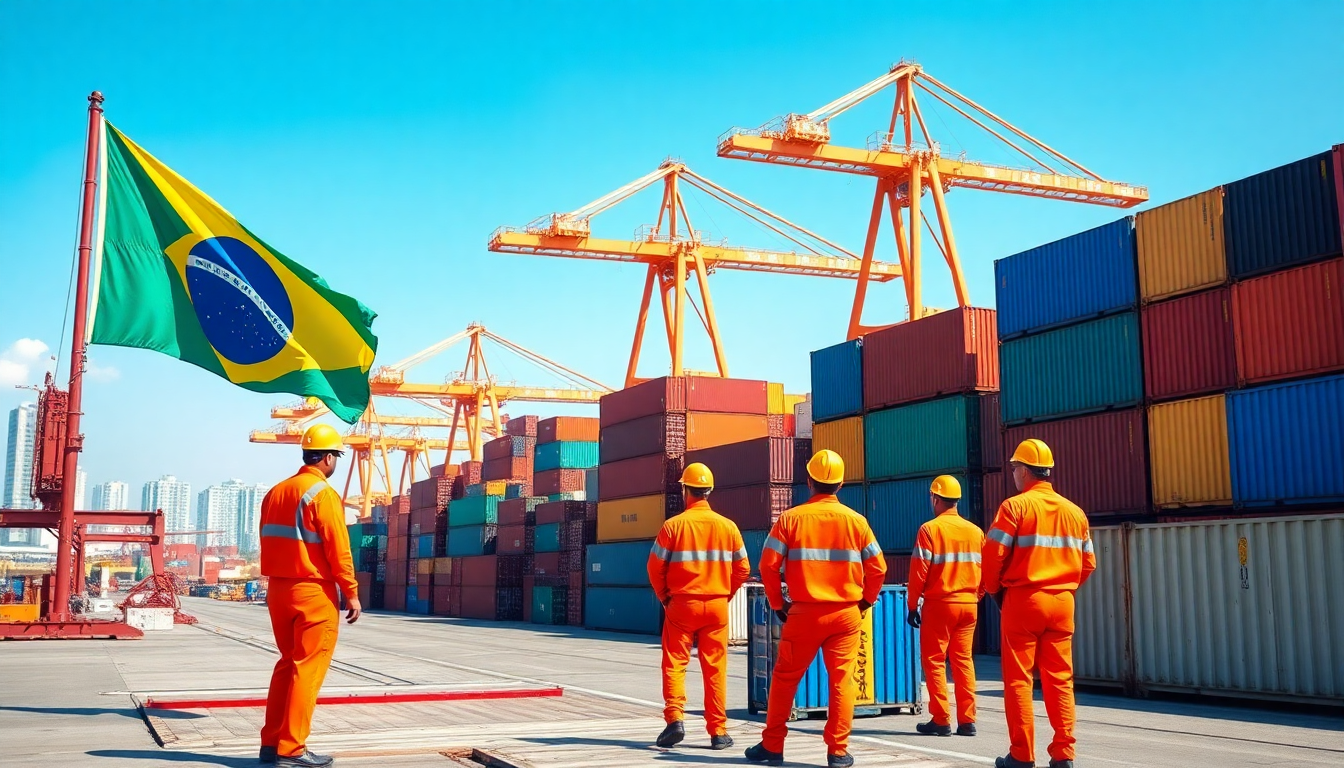
The recent announcement of a hefty tariff increase by the United States on Brazilian exports has sent ripples through Brazil’s economy. President Donald Trump’s decision to impose a staggering 50% duty on Brazilian goods, starting August 1, has sparked worries about the long-term effects on trust and collaboration between the US and Brazil. This unexpected move has left Brazilian officials racing to craft a response that not only shields key industries but also cushions the potential blow to the economy.
The Context Behind the Tariff Increase
In a letter to President Luiz Inácio Lula da Silva, Trump explained his reasoning for the tariff hike, claiming it was a reaction to “unfair trade barriers” and the alleged political persecution of former president Jair Bolsonaro. This ideological twist caught many in Brasília off guard, especially considering that the United States has enjoyed consistent trade surpluses with Brazil for the past 15 years, totaling a remarkable US$410 billion. Just last year, the US trade surplus with Brazil hit US$28.6 billion, making it the third-largest surplus for the US globally.
The ramifications of such a drastic measure are significant, as they threaten to disrupt a long-standing economic relationship that has been mutually beneficial. Brazilian exports, including vital goods and commodities, now face an extra layer of financial pressure that could hinder their competitiveness on the global stage.
How Brazil Plans to Respond
With the tariffs looming, the Lula administration is treading carefully, aware of the potential fallout from any retaliatory actions. Brazilian officials understand that many imports from the US are machinery and essential components for local manufacturing. Thus, slapping higher tariffs on US products might unintentionally raise production costs for Brazilian industries, jeopardizing domestic economic stability.
To mitigate the negative impacts of the tariff increase, the Brazilian government is exploring several strategic options. Among the possibilities are suspending patents for medicines and seeds, halting royalty payments, and imposing taxes on US profits made in Brazil. These measures are allowed under Brazil’s Reciprocity Law, enacted in April, which aims to protect national interests against foreign economic pressures.
By cleverly navigating these legal frameworks, Brazil hopes to protect its key industries while also signaling resilience and adaptability to its trading partners. This thoughtful response might even open doors for deeper collaboration with countries like China, as Brazil looks to diversify its economic ties amid changing geopolitical landscapes.
Looking Ahead: What Does the Future Hold?
As we gaze into the future, Brazil’s economic scenario will likely be influenced by the fallout from these tariff measures and how both the Brazilian government and the US respond. Analysts suggest that the ongoing tensions could foster a closer relationship between Brazil and China, potentially altering trade dynamics in South America.
In the short term, Brazilian industries might face rising operational costs due to these heightened tariffs, but in the medium term, this situation could spur local manufacturers to innovate and lessen reliance on foreign supplies. This might result in a transformation of the Brazilian economy, with a stronger focus on domestic production and supply chains.
In this unpredictable environment, it’s crucial for stakeholders in both nations to keep a close eye on developments and adapt their strategies as needed. As Brazil navigates these challenges, the strength of its economy will be put to the test, but it could also emerge with fresh opportunities for growth and partnerships in the global marketplace.


