
The effort to find Lynette Hooker, a 55-year-old American who vanished after an evening dinghy trip near Elbow Cay, is at a crossroads as Bahamian authorities consider suspending active operations. Officials told reporters they have analyzed tide, drift and wind and are reaching the limits of practical areas to search. At the same time, the U.S. Coast Guard has confirmed it is conducting a continuing criminal investigation related to the case, focused on circumstances surrounding her disappearance.
Family members, local mariners and law enforcement remain engaged even as the operational posture shifts. The couple from Michigan documented their life aboard a yacht and had been living aboard and sailing for years, pursuing a retirement plan that took them to the Bahamas. This article summarizes what is known from on-the-water reports, agency statements and family comments, preserving the timeline and key actions taken by search and investigative teams.
What happened on the water: reported events and immediate response
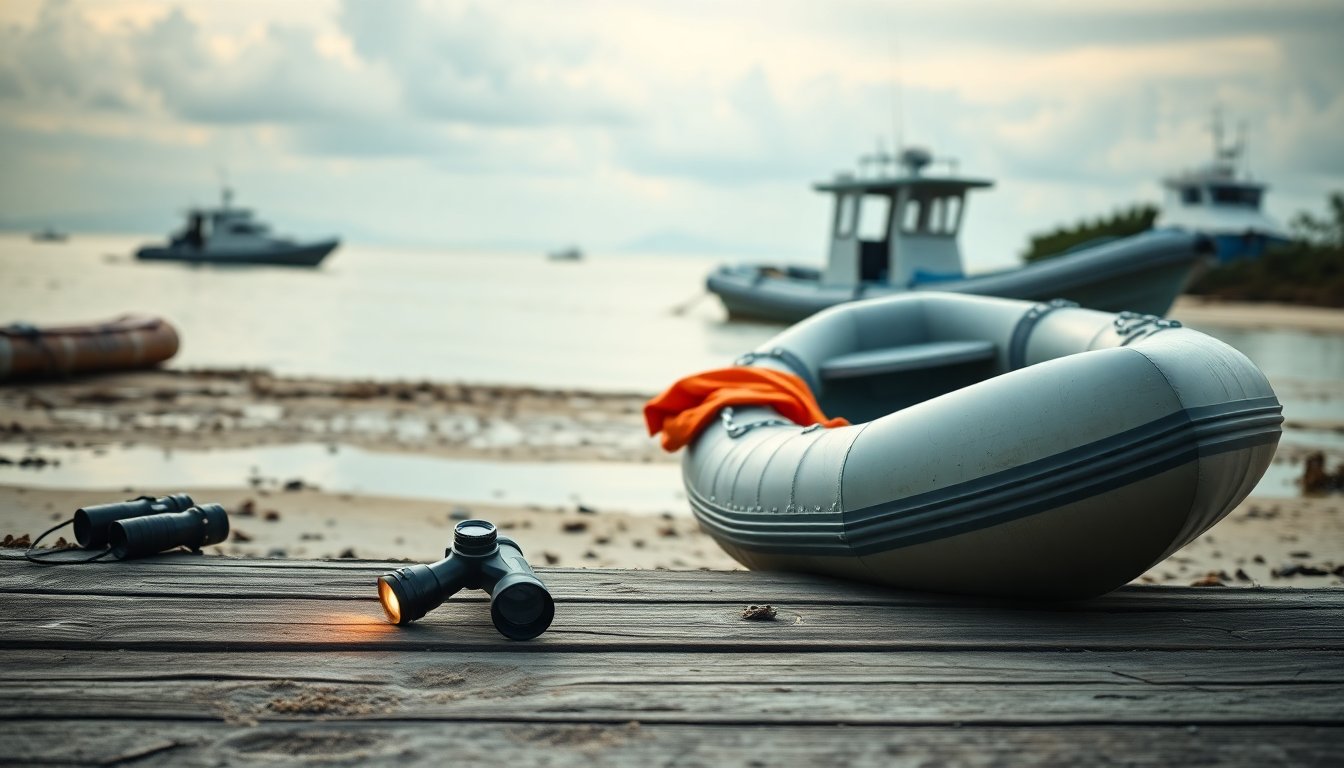
According to statements made to investigators, Brian and Lynette Hooker left the Abaco Inn in a small dinghy at about 7:30 p.m. on April 4, 2026, bound for their anchored yacht. Brian says that Lynette fell from the dinghy and that she had the ignition key when she went into the water, which caused the small craft to lose power. He reported paddling and drifting before reaching shore, and he made an official missing-person report at about 4 a.m. on April 5, 2026. The Royal Bahamas Police Force and the Royal Bahamas Defence Force led initial maritime search efforts, joined briefly by the U.S. Coast Guard with an aircraft deployment.
Search timeline and early findings
Search teams combed local waters on April 5 and in the following days. The RBDF confirmed that the U.S. Coast Guard provided about an hour of aerial support early in the response but that Bahamian authorities remained in charge as the lead agency. Local organizations including Hope Town Volunteer Fire and Rescue and the Bahamas Air Sea Rescue Association also participated. Statements from rescue officials indicated that, after initial search operations, efforts were transitioning toward a recovery effort as conditions and evidence were evaluated.
Investigation, arrests and procedural developments
Police detained Brian Hooker during the probe and he spent several days in custody before being released. Authorities say the criminal investigation is ongoing; the U.S. Coast Guard has likewise confirmed its criminal inquiry remains active. After his release, Brian collected personal items from authorities, including his wedding ring, and his attorney said he is waiting for the keys to his boat so he can resume private searches. Bahamian officials have indicated the organized search could be suspended as early as Thursday, citing limits on searchable areas after modeling of currents and winds.
Agency roles and international coordination
The response has involved multiple agencies. The RBPF and RBDF coordinated on-the-water searches, local volunteer teams conducted shoreline checks, and the U.S. State Department told reporters it was working with the Bahamian government to monitor the case. The interplay between operational search decisions and investigative priorities highlights a common distinction between an active search phase and a criminal investigation phase, during which authorities shift focus from rescue to evidence collection.
Voices from the water and the family
Local mariners expressed surprise that no remains had been located given the clear, shallow waters around Elbow Cay. A charter captain who knows the area said that visibility near shore is good and that objects in the water are often spotted quickly, underscoring why some residents find the disappearance puzzling. Meanwhile, family members have urged a thorough inquiry. Lynette’s daughter, Karli Aylesworth, publicly called for an intensive review of facts and said she had seen concerning behavior in the past, a claim that authorities said they would consider as part of the broader inquiry.
Brian Hooker posted that he was “heartbroken” over the accident and said searching remains his sole focus. He described throwing a flotation device and calling for Lynette for about an hour, then drifting and paddling until he reached Marsh Harbour. Family statements, law enforcement actions and local eyewitness accounts continue to be part of the evolving record as investigators weigh next steps.
Next steps and what to watch
As technical modeling of currents and weather narrows search areas, officials will decide whether to maintain active search teams or formalize a suspension and refocus on the criminal investigation. Observers will be watching for formal statements from the Royal Bahamas Police Force, updates from the U.S. Coast Guard about its investigative status, and any new information from family members or local mariners. The situation remains fluid, and authorities say they will act on new leads as they arise.


