
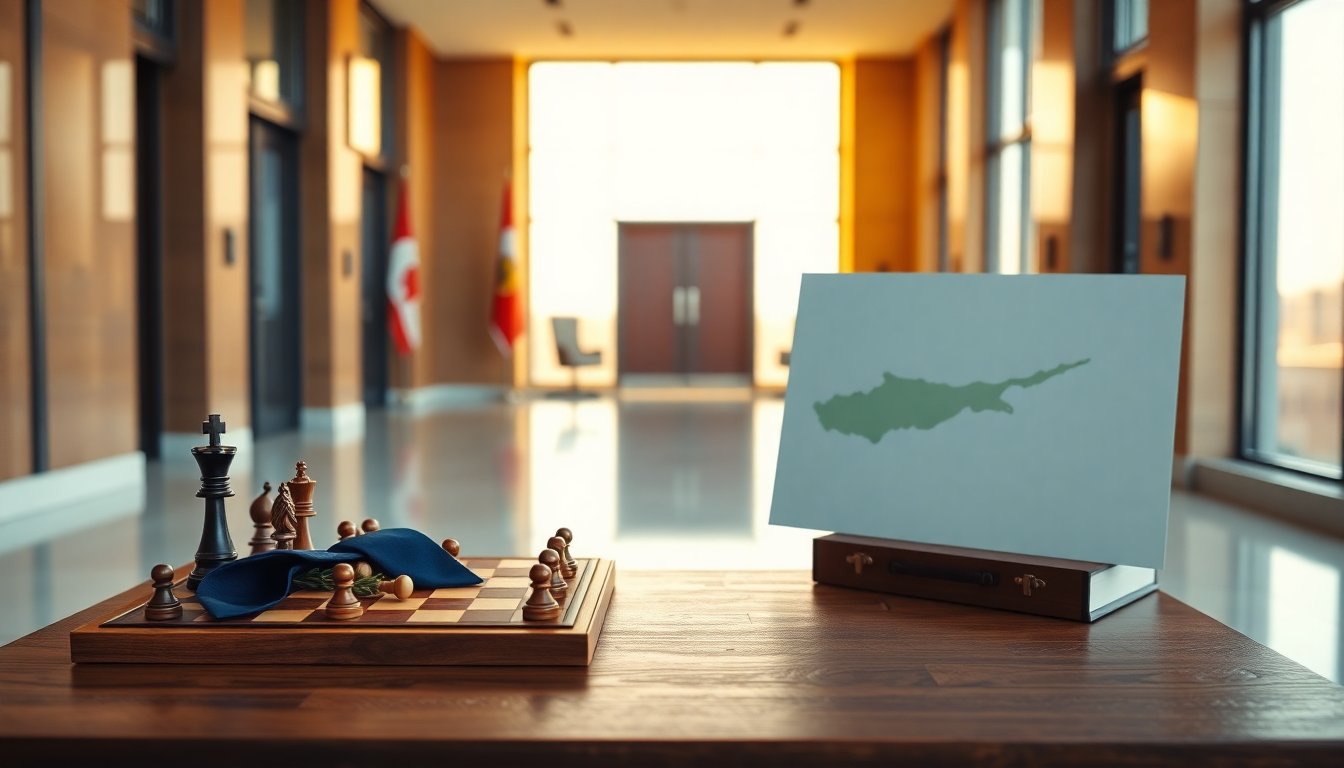
The corridors leading to the upcoming leaders’ gathering in Cyprus have filled with envoys trying to stitch together an agenda. What started as a routine set of discussions about the budget, enlargement and competitiveness is increasingly being overtaken by a narrower set of questions driven by the Iran war and its regional fallout. Diplomats say the meeting will likely spend most of its time on crisis management rather than long-term reform files, a shift that could reshape how member states negotiate priorities going forward.
Behind the official briefings, personalities and informal alliances are shaping the atmosphere in the run-up to the summit. Voices that usually focus on economic dossiers are being pulled into security debates. Observers are also watching whether the role of provocateur that Viktor Orbán has often played around the table will be filled by another leader, or whether summit dynamics will produce a new challenger to established norms of debate and compromise.
Geopolitical disruptions and the squeeze on routine business
When a conflict like the Iran war dominates headlines, the practical consequences cascade into summit agendas. Negotiators find themselves prioritizing emergency briefings, contingency plans and unified statements over technical files designed to boost the EU’s long-term competitiveness. This realignment means that topics such as budget allocations and enlargement roadmaps are relegated to side meetings or postponed. The practical effect is twofold: immediate foreign policy cohesion becomes the headline outcome, while structural reforms risk being delayed — a trade-off that will reverberate across capitals as domestic ministers return from Cyprus with fewer firm commitments on internal policy.
The Orbán question
The presence or absence of a dominant contrarian voice matters in summit theater. Viktor Orbán has long been cast as a leader willing to push boundaries and force debates into culture-war territory. Summit participants are speculating whether someone else will assume that disruptive role this time, altering negotiating dynamics and potentially complicating efforts to present a unified stance on regional crises. The possibility of a new disruptor raises questions about coalition-building: will pragmatic centrists hold the center, or will a different personality drag discussions toward personality-driven standoffs?
Centrist networks and the emergence of middle-power diplomacy
Alongside the crisis management, there are efforts to cultivate new partnerships across the Atlantic. Finnish President Alexander Stubb and former Bank of Canada governor Mark Carney have been described by insiders as informal allies who are attempting to marshal a grouping of like-minded middle powers. Their aim is to build a resilient, pragmatic axis that can influence both security responses and economic policy in uncertain times. This initiative leans on personal relationships and frequent private exchanges — a diplomatic style that favors quick, informal coordination over formal summitry.
Personal diplomacy in practice
Their strategy depends less on large institutional frameworks and more on what can be described as personal diplomacy: texting, private calls and small working groups that can move faster than formal committees. Such networks seek to demonstrate that a coalition of mid-sized democracies can punch above its weight by offering coherent, practical proposals that appeal to both large and small member states. Whether this approach will translate into concrete policy outcomes at the Cyprus meeting remains an open question, but it reflects a broader trend in international relations where relationships often matter as much as formal mandates.
Political theater, social media and the lighter skirmishes
Not all of the summit’s stories are strictly about high policy. Political spectacle and social media controversies continue to color public perceptions. International observers noted a recent incident in which Donald Trump publicly walked back a social media post that many read as a religious metaphor, a reminder of how digital posts can force rapid damage control. Commentators have dug into historical archives to catalogue the range of excuses and rhetorical pivots politicians use when faced with backlash — a genre of public relations that intersects awkwardly with serious diplomatic negotiations.
And on a curiously cultural note, the so-called halloumi wars persist as a lighter but symbolically resonant spat over food, identity and trade labels — a reminder that summits often generate both high-stakes decisions and surprisingly local disputes. One of the summit commentators even offered a playful, cheesy take on the debate. If you have questions or want to share feedback with the team, send a message on WhatsApp or to +32 491 05 06 29 and they may address it during their next debrief.


