
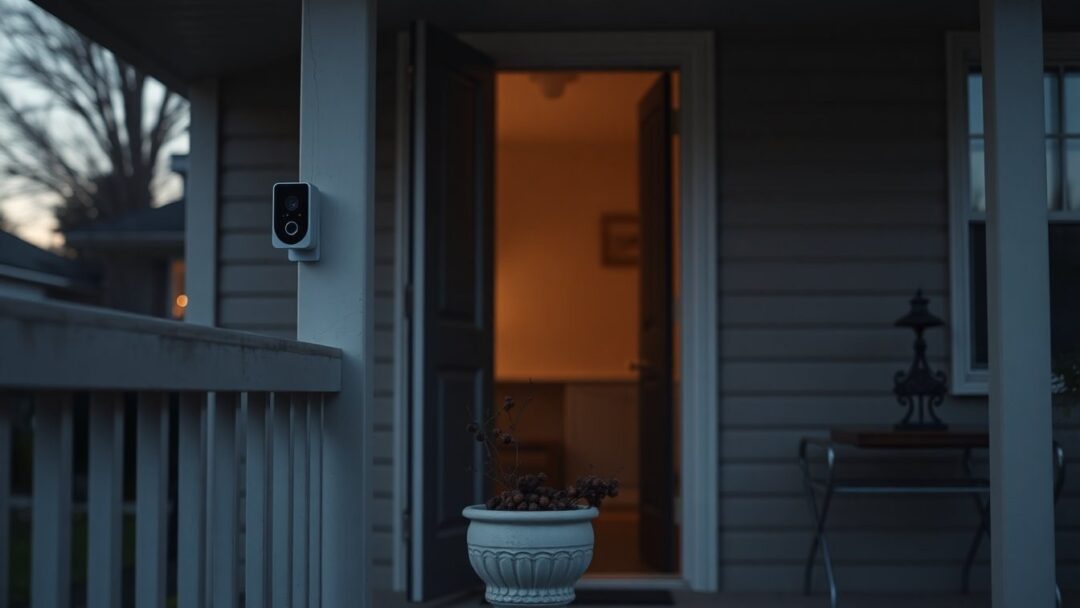
In 2026, a father and son in Florida were alerted by their Ring doorbell camera to a supposed intruder at their door. Their response was swift and severe, resulting in seven shots fired at an innocent woman. This extreme case highlights a growing trend of paranoia fueled by home security systems, which are increasingly becoming a double-edged sword in our neighborhoods.
Doorbell cameras from brands like Amazon-owned Ring, Google Nest Doorbell, and SimpliSafe are promoted as convenient tools for monitoring visitors and deterring crime. However, their actual use often strays into more contentious territory. Hundreds of law enforcement agencies have integrated these systems into their operations, and a 2026 US News survey revealed that 62 percent of respondents had installed outdoor security cameras at home. This surge in home surveillance has transformed our yards and porches into miniature surveillance states.
The Psychological Impact of Constant Surveillance
Beyond the obvious privacy concerns, there is little evidence that these cameras reduce crime. Instead, research suggests they are reshaping our interactions with neighbors. Studies indicate that the awareness of being watched can intensify existing distrust, paranoia, and fear. This heightened suspicion colors how we perceive and engage with one another.
Will Owen, communications director of the Surveillance Technology Oversight Project, emphasizes that being a good neighbor does not mean spying on your neighbors. He argues for a shift in our approach to neighborhood surveillance, urging us to resist the fear and distrust perpetuated by big tech.
Undermining Trust in Neighborhoods
Despite the prevalence of home surveillance, Americans generally hold their neighbors in high regard. A recent report from the Survey Center on American Life found that 72 percent of Americans trust their neighbors, compared to just 30 percent who trust others broadly, according to last year’s World Happiness Report. This disparity raises questions about the purpose of these cameras. Peter Kim, a professor of management and organization at the USC Marshall School of Business, suggests that cameras are often installed to deter outsiders rather than to monitor trusted neighbors.
However, the lack of actual relationships with neighbors can foster suspicion. When cameras are turned onto others, people admit to spying on their neighbors and reviewing footage to overhear conversations. This behavior creates a cycle of cynicism, where the presence of cameras undermines the very trust they are supposed to protect. Daniel Cox, director of the Survey Center on American Life, notes that Americans tend to rely on individualistic forms of protection, signaling a lack of trust in their community.
The Behavioral Effects of Surveillance
A 2026 study found that participants felt self-conscious and altered their behavior when they knew they were being recorded. They held back from showing affection to their partners or engaging in open conversation. Other research has shown that people under surveillance are quicker to detect human faces, suggesting a hyper-alert state when being watched. Kiley Seymour, an associate professor of neuroscience and behavior at the University of Technology Sydney, explains that this heightened awareness can make us more sensitive to our neighbors’ actions, perceiving them as more threatening than they actually are.
Constant surveillance puts everyone on edge, ready for a fight. This environment of mistrust disproportionately impacts minorities, according to Neilly Tan, a PhD researcher studying human-centered design and engineering at the University of Washington. Studies have found that Ring’s social app Neighbors is often used as a racial gatekeeping tool, with white neighborhoods bordering non-white areas posting more frequently.
To foster trust and resist paranoia, Kim suggests investing time in getting to know our neighbors. Regular interactions, such as saying hello or engaging in small talk, can instill a sense of community and understanding. Cox emphasizes the importance of being comfortable with neighbors getting involved in each other’s lives, as this is the foundation of a strong community.


