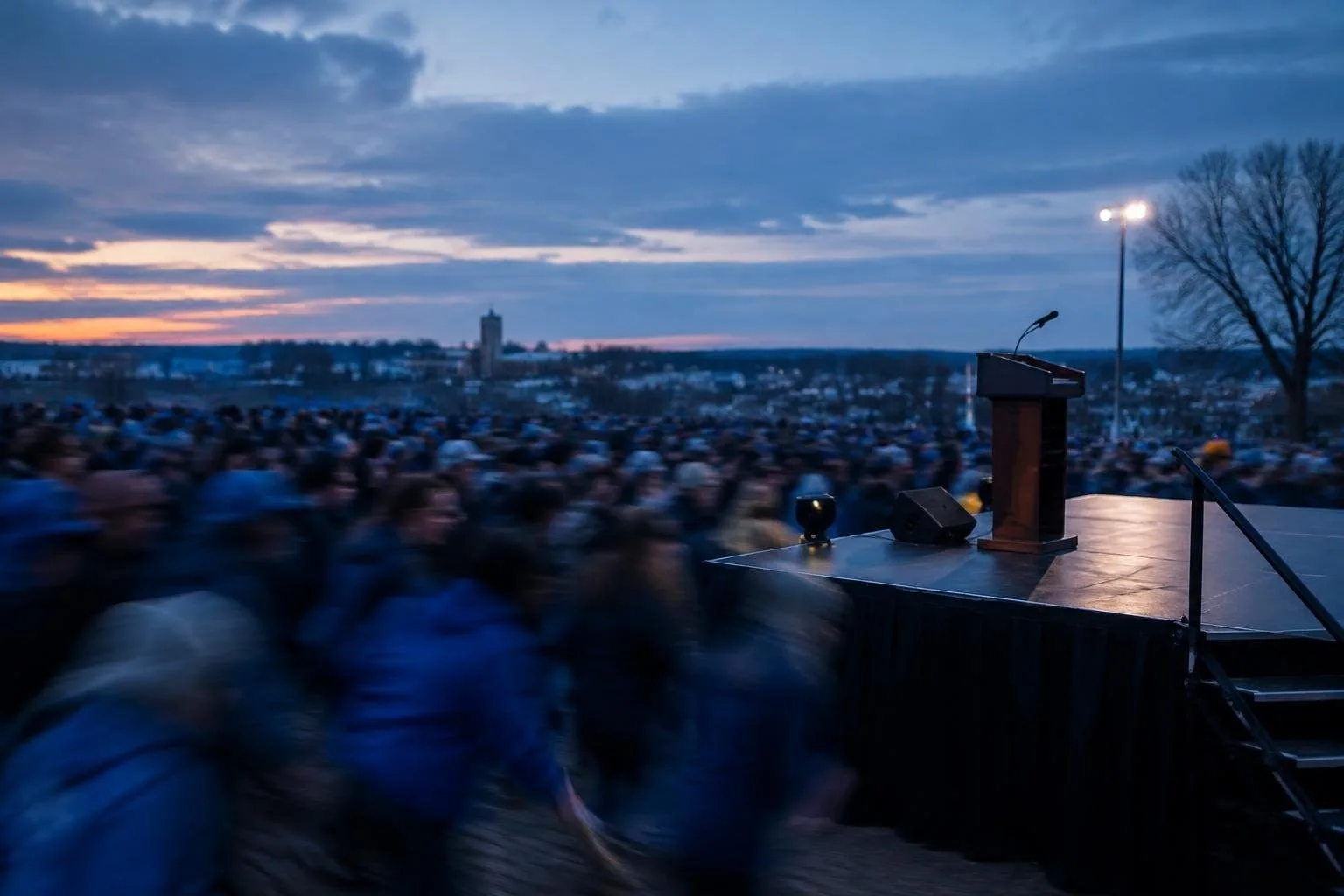

When voters filed ballots at the Cross Insurance Center in Bangor, Maine, on Nov. 3, 2026, few could have imagined the scale of the outcome. The night unfolded as a decisive triumph for the Democratic Party, which secured majorities in both the House and the Senate, turning long-held Republican strongholds into new blue districts.
Analysts such as Alfonso Serrano and Charlie Hunt described the result as a “uniform shift” toward Democrats that cut across geography, ethnicity and party affiliation. The election not only overturned seats in Texas, South Carolina, North Carolina, Kansas and Ohio, but also produced unexpected victories in places that were written off as safe for Republicans just weeks earlier.
Democratic sweep of Congress and key state races
The new congressional map now features a Democratic majority in the House and a Democratic-controlled Senate. In the Senate, flips occurred in five states that had been part of President Donald Trump‘s 2024 coalition: Texas, South Carolina, North Carolina, Kansas and Ohio. In South Carolina, the race between incumbent Republican Sen. Linsdey Graham’s sister Darline Graham and Democrat Annie Andrews turned into a toss-up, with the latter ultimately winning—a result once deemed “unfathomable.”
Across the nation, traditionally red districts showed new vulnerability. In North Carolina’s 11th Congressional District, Democrat Jaime Ager captured a seat that had been solidly conservative. Meanwhile, in Florida, the Senate contest between incumbent Rep. Angie Nixon and her Republican challenger illustrated how the state’s shifting demographics could alter future outcomes.
Turnout, demographic shifts, and the Hispanic swing
One of the most striking features of the night was the unprecedented voter participation. Georgia’s turnout, for instance, was on pace to exceed that of the 2024 presidential election—a first in modern records. In Texas, Democrat James Talarico amassed as many raw votes as former Vice President Kamala Harris did in a presidential contest, a feat typically reserved for top-of-the-ticket races.
Equally important was the dramatic swing among Hispanic voters. Compared with 2024, the Hispanic vote shifted 30-to-35 points away from Trump in both Texas and Florida, effectively reversing the margin that had helped the former president win those states. This surge helped Democrats hold their existing House seats in Florida despite a mid-decade gerrymander designed to diminish their representation.
Independent and unaffiliated voters also leaned heavily Democratic, a reversal from the 2024 cycle when many had backed Trump. The combination of high turnout, a rebounding Hispanic electorate, and a swing among independents created a “blue wave” the size of a “tsunami,” according to the analysts.
Money matters: spending versus grassroots support
Even as billionaire Elon Musk poured nearly half a billion dollars into Republican campaigns—including a reported US$200 million aimed at Senate hopeful Ken Paxton in Texas—those dollars failed to secure a victory. While Republican PACs and super PACs out-spent Democrats overall, Democratic candidates out-raised Republican rivals through direct donations, allowing them to purchase television ad spots at lower rates and to translate donor enthusiasm into actual votes.
The law of diminishing returns was evident. Moving from zero to ten million dollars dramatically altered a campaign’s reach, but the difference between $500 million and $510 million produced negligible additional votes. The data suggest that “grassroots dollars” have a stronger correlation with electoral success than massive, top-down funding.
Overall, the 2026 midterms demonstrated that money, while influential, cannot compensate for a flawed candidate or a fatigued electorate. Voter enthusiasm, demographic realignment, and strategic local campaigning were the decisive factors that reshaped the political landscape.