
The Russian journalist and politician Yekaterina Duntsova has announced plans for a dispersed, domestic demonstration aimed at protecting a free internet. Writing on her official Telegram channel, she invited citizens to create audible signs of dissent from inside their homes, describing the initiative as a home protest — a form of civic expression that relies on individual actions rather than public gatherings. Duntsova framed the proposal as a direct response to recent restrictions that have severely limited traditional street protests, and she positioned the event as both symbolic and accessible to those who cannot attend rallies without risking legal consequences.
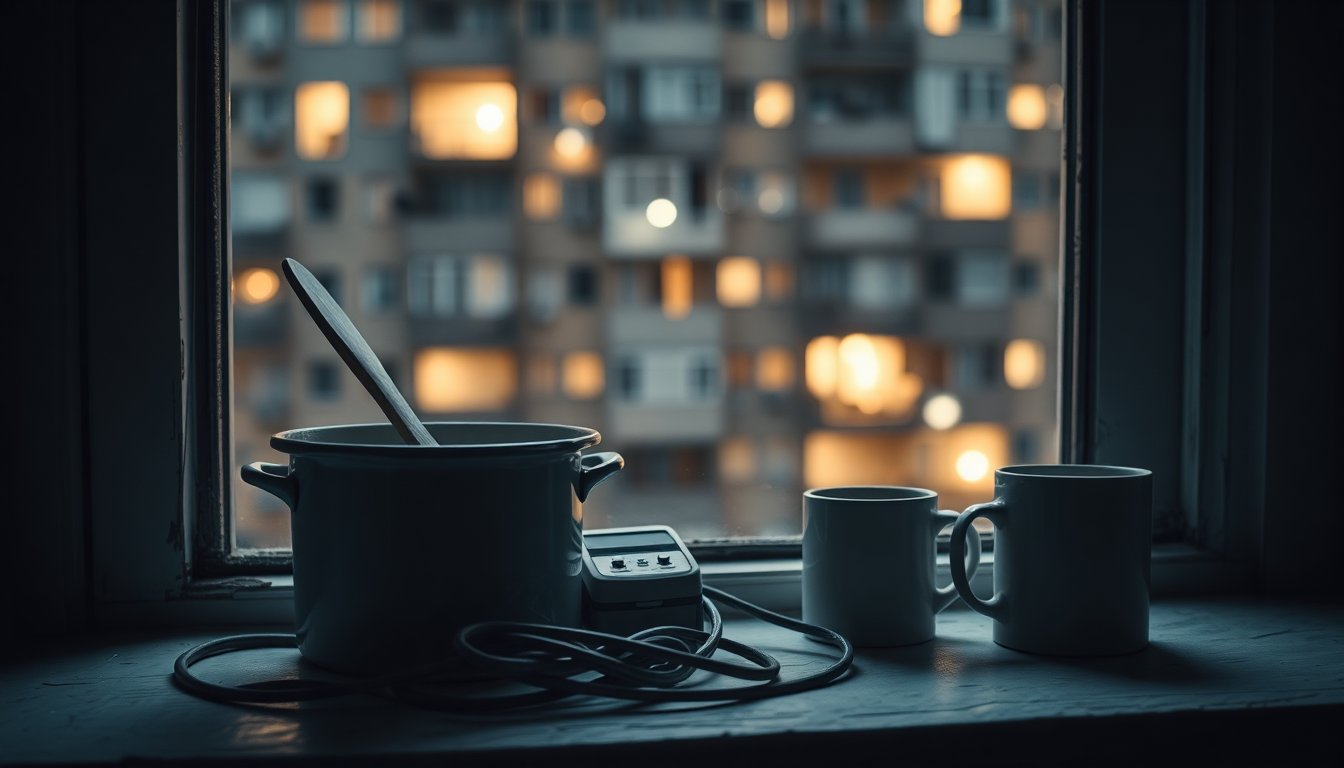
Her message included concrete instructions: for one week, at 8 p.m. each evening, people should open their windows and produce sound—honking car horns, whistling, banging pots, or playing music—in ways that are safe and within acceptable noise levels. Duntsova noted that while this type of action is not explicitly outlawed, authorities now apply rules with considerable flexibility, which raises concerns about potential reprisals. She also encouraged civic participation through formal channels by urging supporters to send appeals to top officials, highlighting the dual strategy of visible, non-assembly protest and direct petitions to power.
How the proposed home protest is meant to work
The plan is intentionally simple to lower barriers to participation: at the designated hour, citizens are asked to make noise from private spaces rather than assembling outdoors. The emphasis on individual acts aims to preserve personal safety while creating a distributed signal that authorities and the public can notice. Organizers suggest a range of permissible sounds—honks, whistles, banging cookware, or music—that are easy to execute without leaving one’s residence. By avoiding mass gatherings, the initiative attempts to circumvent recent prohibitions on public demonstrations and rely on the cumulative effect of synchronized, lawful behavior to express dissatisfaction about internet restrictions and broader civic constraints.
Participation guidelines and legal risks
Duntsova stressed the importance of following local rules and common-sense precautions to minimize legal exposure. The guidance underlines doing nothing that would constitute an actual public assembly or breach of local ordinances, and to act within acceptable noise levels so neighbors’ safety and order are preserved. At the same time, she warned that the vagueness of enforcement means participants should remain mindful of potential risks. This cautious framing acknowledges the tension between creative protest tactics and the current legal environment, where peaceful, solitary actions can still attract official scrutiny if authorities choose to interpret the law broadly.
Duntsova’s political background and recent legal setbacks
Yekaterina Duntsova is known both for her journalism and for her brief political engagements at the municipal and national levels. She previously served on the city council of Rzhev and later sought to enter the presidential race; her attempt to run in the 2026 presidential election was blocked when the Central Election Commission denied her registration. Afterward she tried to establish a political party named Dawn, but the Justice Ministry refused to register it. These refusals illustrate the broader constraints she has faced while attempting to pursue formal political channels in Russia.
Designation as a foreign agent and implications
In May 2026, authorities placed Duntsova on the list of those labeled a foreign agent, a designation that carries legal and reputational burdens. That label affects how she can operate publicly and increases the risk attached to organizing or promoting civic initiatives. Duntsova’s new proposal for a home protest therefore emerges against a backdrop of sustained administrative pressure, signaling both an adaptation to restrictive conditions and an attempt to keep dissent visible without contravening explicit bans on street demonstrations.
What the move signals for civic engagement
This call to noise-from-home represents a creative adaptation by activists who face tightened controls on public assembly. By combining audible, decentralized actions with formal appeals to officials—Duntsova has addressed messages to Vladimir Putin, Vyacheslav Volodin, Valentina Matviyenko, Alexander Bastrykin, Vladimir Kolokoltsev, and Alexander Gutsan—the initiative blends symbolic protest with direct institutional pressure. Whether it succeeds in drawing attention to demands for a free internet without triggering punitive responses will depend on both participant caution and how flexibly authorities choose to interpret existing rules.
Translation and newsroom transparency
This article was prepared by a human journalist and translated into English with the assistance of AI tools; the newsroom follows strict editorial oversight to ensure accuracy. The use of artificial intelligence in translation is part of a supervised workflow in which a Meduza editor reviews every draft. If readers find issues with the translation or wish to provide corrections, they are invited to contact the newsroom at [email protected]. For readers who want more exclusive English content, subscription options and a newsletter are available through the publisher.


