
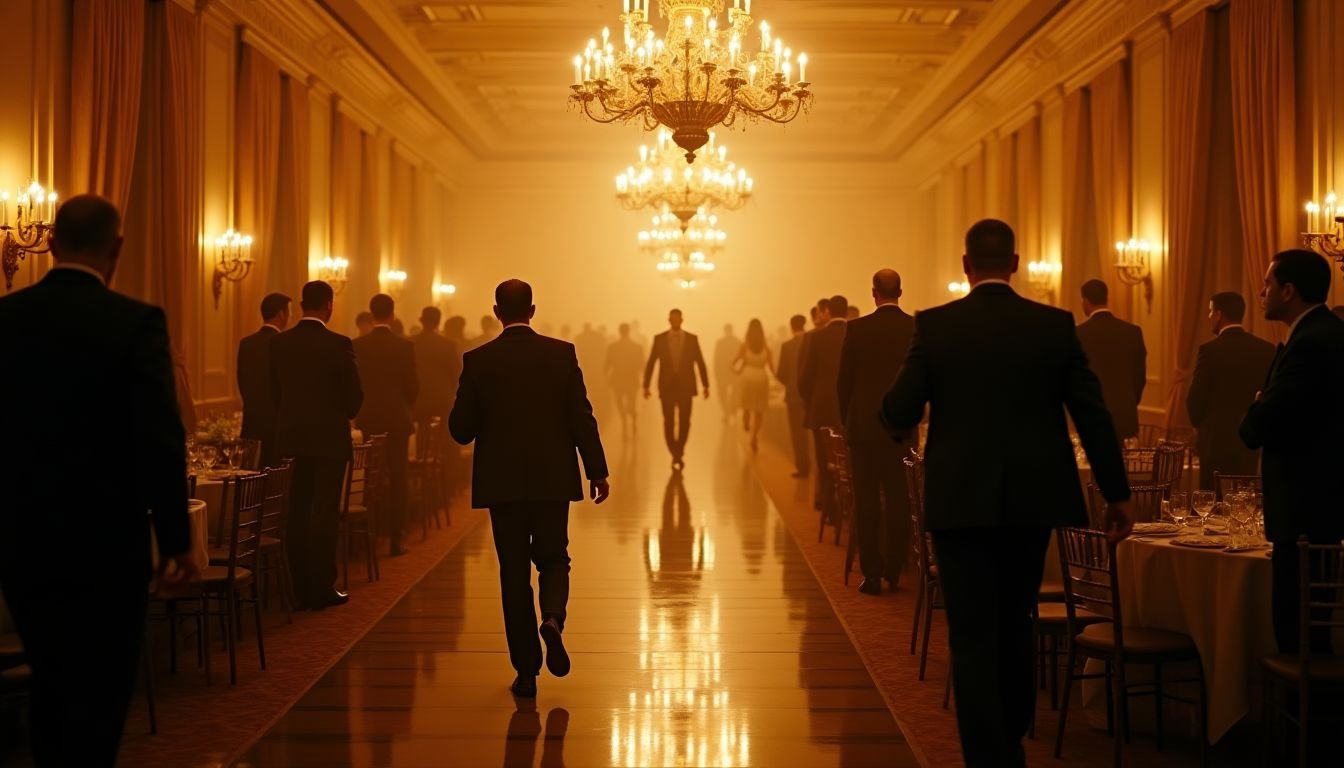
The evening reported in coverage published on 27 Apr 2026 turned chaotic when an armed individual forced his way toward the ballroom hosting the White house Correspondents’ Dinner. Attendees included senior administration figures and hundreds of journalists and guests; the president was safely evacuated after Secret Service agents intercepted the assailant. Video shared after the disruption shows the suspect running past security barricades as agents moved to contain him. Authorities say there is no ongoing public threat, and officials emphasized that the situation remains under active inquiry while the nation processes yet another high-profile security scare.
Law enforcement identified the man as Cole Tomas Allen, a 31-year-old from Torrance, California, who carried a mix of weapons including firearms and knives. During the exchange with perimeter security, one officer was struck in a bullet-resistant vest and is expected to recover. Acting Attorney General Todd Blanche said formal charges would be filed imminently, and FBI officials reported that investigators recovered a long gun and multiple shell casings from the scene. Witness interviews and forensic work are ongoing as authorities piece together motive and timeline for the incident.
What unfolded inside the ballroom
Guests dining in the subterranean banquet hall described a sudden, alarming noise that prompted hundreds to duck under tables as security personnel swarmed the space. Reporters and attendees initially debated whether the sounds were dropped trays or gunfire; some guests later reported hearing multiple loud pops. The president, who had been scheduled to speak, was escorted from the stage area amid shouts and calls for people to move away. Outside the Washington Hilton, where the dinner has traditionally been held, National Guard units and additional law enforcement staged positions while helicopters hovered above, and the event was ultimately halted and slated to be rescheduled by organizers.
Security protocols and high-profile attendees
The night’s roster included prominent administration officials such as Vice President JD Vance, Defense Secretary Pete Hegseth and Secretary of State Marco Rubio, among others. Officials noted the Secret Service’s rapid response prevented the assailant from reaching the ballroom itself. Authorities also placed the episode in a broader context: it marks the third time since 2026 that the president has faced a nearby hostile incident, recalling earlier attacks that tested presidential protection measures, including the assault in Butler, Pennsylvania, which wounded the president and killed a local firefighter. Those past events have already sparked debates over presidential security standards and resource allocation.
Investigations and evidence collection
Federal investigators emphasized the importance of forensic evidence and eyewitness accounts in building a case. The FBI is examining the recovered long gun, shell casings and surveillance footage from the hotel and surrounding areas, while canvassing for witnesses who might provide additional leads. Officials urged anyone with video or information to come forward as they pursue charges that Acting Attorney General Todd Blanche said will reflect the seriousness of the attempt. At the same time, law enforcement is assessing whether the suspect acted alone or had outside assistance.
Political ripples and public reactions
Reactions poured in from across the political spectrum and around the world, with leaders and commentators condemning violence and expressing relief that key figures were unharmed. From the White House podium, the president called the suspect a “sick person” and urged unity while promising heightened security measures. White House press secretary Karoline Leavitt blamed Democratic rhetoric for fostering what she called a “cult of hatred” directed at the president, a statement that has intensified already heated partisan debate. World leaders also issued statements denouncing political violence and praising the quick response by protective services.
Impact on the press and the event’s future
Organizers of the dinner, representing journalists who cover the administration, canceled the remainder of the evening and announced plans to reconvene. The White House Correspondents’ Association leadership vowed to hold the event again and stressed the importance of maintaining a free and robust press amid new conversations about safety at public gatherings. The incident also reopened memories of a historic attack near the same hotel in 1981, prompting renewed attention to how venues used for high-profile functions are configured and secured.
As investigations proceed, many observers stressed that protecting public figures cannot come at the expense of the civic principles that make open reporting possible. Calls to safeguard journalists, reinforce security measures and de-escalate political rhetoric were common across statements from elected officials, civic leaders and media organizations. The disruption at the dinner serves as a reminder of the fragile intersection between public life and safety, and of the continuing need for measured, collective action to deter political violence while upholding free press values and democratic norms.


