
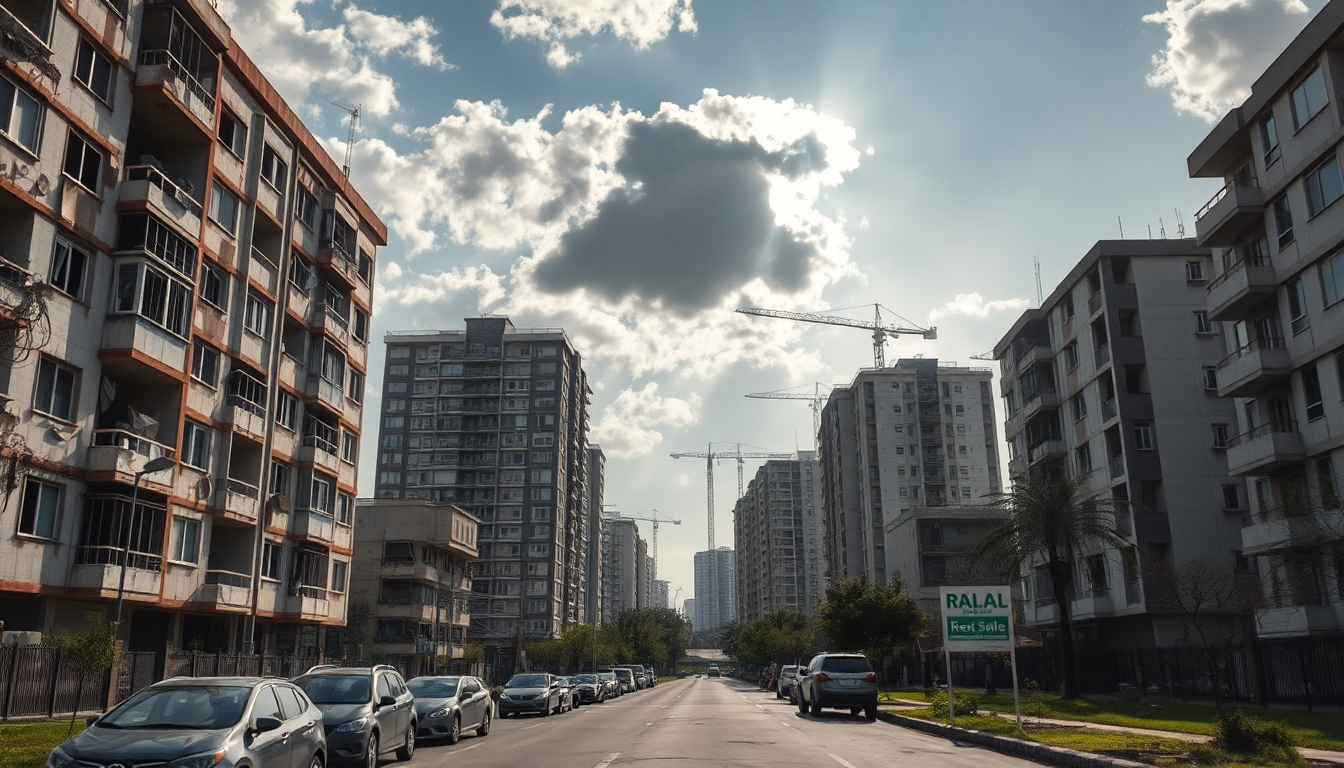
In the world of real estate, have you ever wondered how geopolitical tensions influence property markets? It’s a fascinating connection that can significantly impact investment opportunities. Whether conflicts arise in far-off places or hit closer to home, they can shape the landscape of real estate in unexpected ways. This article takes a closer look at how these conflicts affect real estate, drawing parallels between historical events and today’s market dynamics.
Market Overview: Data-Driven Insights
The first step in understanding the impact of conflict on real estate is to take a good look at the current market landscape. Recent reports from trusted sources highlight a growing concern about areas plagued by violence and displacement. For instance, regions caught in unrest often witness a drop in property values, creating a buyer’s market that savvy investors could exploit. Data from OMI and Nomisma suggest that properties in these areas can present unique investment opportunities, albeit with some risks involved.
When we zoom out to examine the broader market context, one thing becomes clear: location, location, location is still king. In regions like Gaza and the West Bank, ongoing conflicts have made certain neighborhoods less appealing. However, they may also hold untapped potential for those willing to take calculated risks. It’s essential to analyze trends in property transactions and consider how these areas might be leveraged for future growth.
Analyzing Key Areas and Property Types
So, where exactly can you find the best investment opportunities? It’s crucial to examine specific locations and property types impacted by conflict. Take, for example, the displacement of populations in war-torn areas. This situation can lead to unique real estate scenarios, where properties that were once in high demand may suddenly see a dip in interest, creating a window for investment at lower prices.
Additionally, the type of property can play a significant role in investment decisions. Residential properties might offer stability during uncertain times, while commercial real estate could yield higher returns if positioned strategically. The data shows that investors need to stay on their toes and adapt their strategies according to the shifting landscape.
It’s also essential to grasp the socio-economic factors at play. Areas experiencing a surge in displaced individuals may see a resurgence in demand for rental properties, providing investors with a steady cash flow opportunity. By evaluating these dynamics, investors can make informed decisions based on up-to-date data.
Price Trends and Investment Opportunities
Price trends in conflict-affected areas can be quite erratic, influenced by both local and international factors. Historical data reveals an interesting pattern: while property values may plummet during periods of heightened conflict, they often rebound sharply once stability is restored. This underscores the importance of timing in the real estate market. Have you ever considered how crucial it is to be in the right place at the right time?
Investors should focus on spotting trends and forecasting future movements. For example, properties in regions previously marked by conflict might be undervalued, presenting a golden opportunity for substantial appreciation in the long run. Understanding local market conditions and leveraging data can help in making sound investment decisions.
Practical Advice for Buyers and Investors
If you’re looking to navigate the complexities of investing in conflict-affected areas, practical advice is worth its weight in gold. First and foremost, thorough market research is a must. Familiarize yourself with local laws, economic conditions, and prospects for future development. Engaging with local experts can provide insights that aren’t readily available through data alone. After all, who doesn’t want to have an edge?
Moreover, diversifying your investments can be a smart strategy to mitigate risks associated with volatile markets. Instead of pouring all your resources into a single area, consider spreading your investments across various locations. This approach can buffer against downturns in specific markets and enhance your overall portfolio performance while capitalizing on emerging opportunities.
Finally, staying informed about geopolitical developments is crucial. Changes in policy, international relations, and local governance can all influence the real estate landscape. By keeping an eye on these factors, investors can position themselves to act swiftly and seize favorable conditions.
Medium-Term Forecasts
Looking ahead, the medium-term forecast for real estate markets in conflict-affected areas appears cautiously optimistic. As tensions ease and reconstruction efforts take shape, there’s potential for significant growth. Historical trends suggest that areas once marred by violence can experience a revival, leading to increased demand and rising property values. Isn’t it intriguing how the pendulum swings in real estate?
However, investors need to remain vigilant, as the road to recovery can be unpredictable. Strategic planning and adaptability will be key in navigating these challenges. By focusing on data-driven insights and understanding local dynamics, investors can uncover opportunities that yield substantial returns in the long run.


