
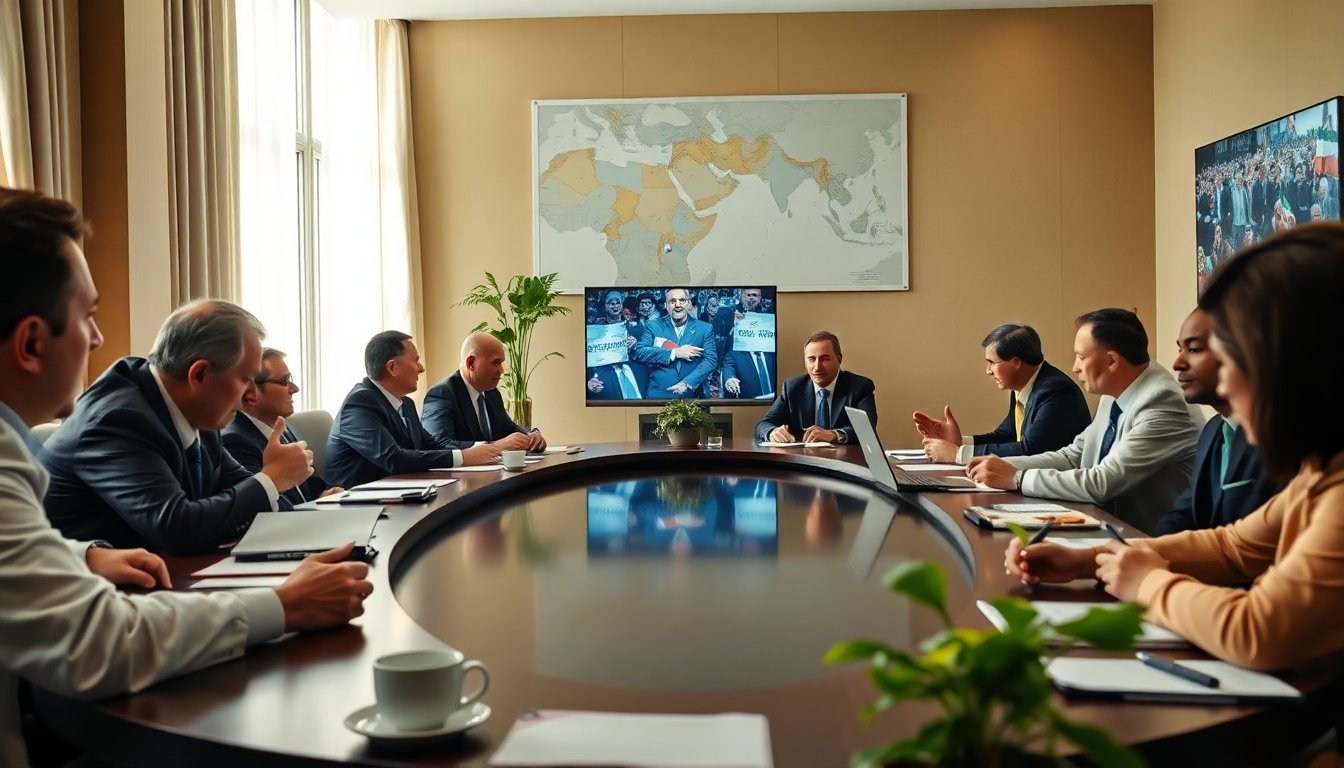
As the world closely observes, the United States and Iran have resumed negotiations regarding Iran’s nuclear program. These discussions are critical amid rising tensions in the region, fueled by a military buildup from the U.S. and widespread protests within Iran. The stakes are high, with the potential outcomes impacting not only the involved nations but also global stability.
Context of the negotiations
The negotiations occur during a period of significant internal unrest in Iran. Protests, driven by various social and economic grievances, challenge the authority of the Iranian government. As these demonstrations escalate, Iranian leadership faces pressure to maintain control while also engaging in diplomatic discussions with the U.S. The U.S. seeks a comprehensive agreement that addresses not only Iran’s nuclear capabilities but also its regional influence.
Military presence in the region
Alongside the negotiations, the U.S. has been strengthening its military presence in the Middle East. This strategic buildup is perceived as a show of strength, aimed at deterring any aggressive actions from Iran. The deployment of military resources serves as a reminder of the potential consequences if diplomatic efforts falter. This dual strategy of diplomacy supported by military readiness underscores the complexities of the situation.
Implications for regional stability
The implications of these talks extend beyond the U.S. and Iran. The outcome could significantly affect relationships with neighboring countries and influence broader geopolitical dynamics. Nations such as Saudi Arabia and Israel are closely monitoring the situation, expressing concerns regarding Iran’s nuclear ambitions and regional influence. A failure to reach a satisfactory agreement may escalate tensions and potentially lead to conflict, further destabilizing the region.
International reactions
Global reactions to the ongoing negotiations have been mixed. Some countries support the U.S. stance on demanding stringent measures against Iran’s nuclear development, while others advocate for a more diplomatic approach. The European Union, for instance, has committed to facilitating dialogue and fostering a peaceful resolution. As discussions progress, the diverse perspectives of global powers will significantly influence the future of the talks.
The nuclear negotiations between the U.S. and Iran, amidst rising tensions, represent a critical juncture for both nations and the international community. With internal unrest in Iran and a robust U.S. military presence in the region, stakeholders are acutely aware of the potential consequences of these discussions. The world watches in anticipation, hopeful for a resolution that leads to lasting peace and stability.


