
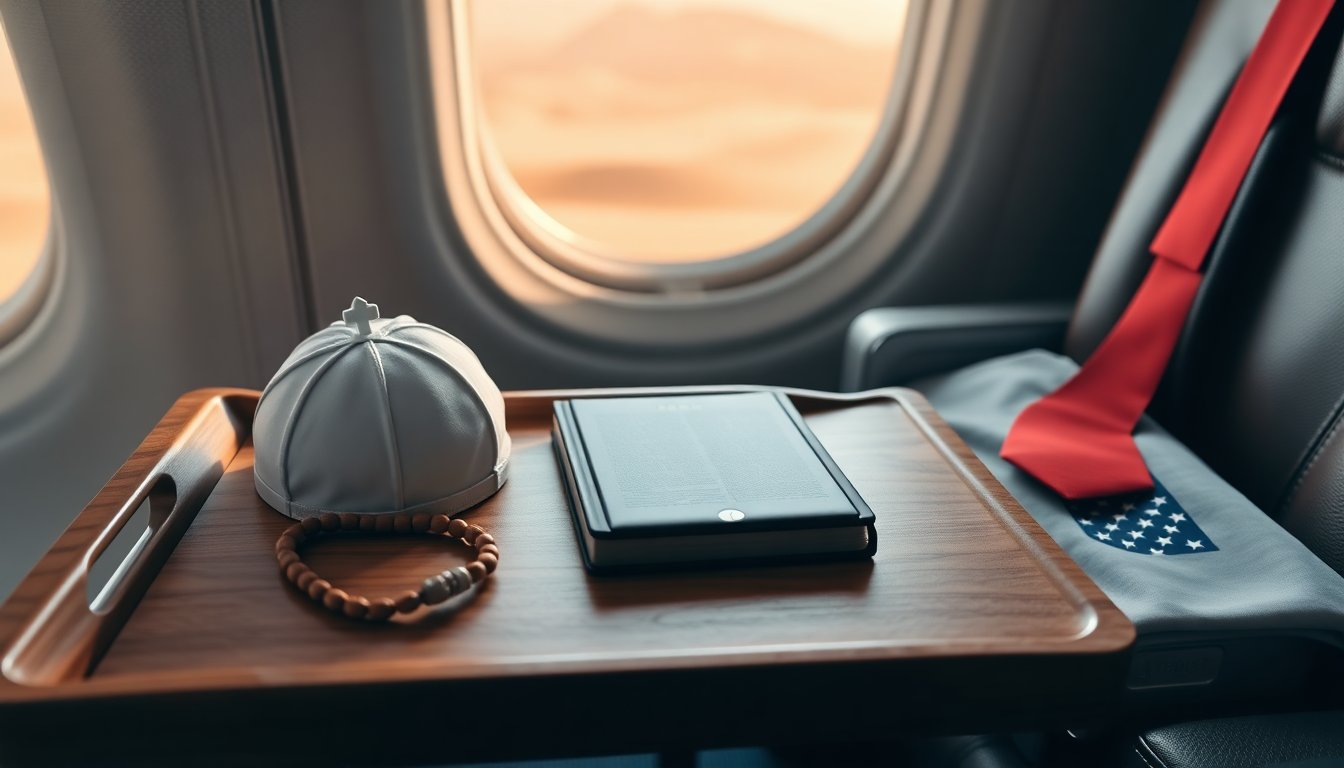
The exchange between Pope Leo and President Donald Trump unfolded publicly after Mr. Trump used social media to criticize the pontiff, calling him “stop catering to the Radical Left” and declaring that the pope is “WEAK on Crime, and terrible for Foreign Policy.” In response, the pope, who is the first U.S.-born pontiff, told reporters aboard the papal plane en route to Algeria that he will continue to condemn war and promote dialogue. He framed his role in moral terms and insisted he was not trying to engage in partisan dispute with the president.
On April 12, 2026 the story drew attention not only because of the blunt language used by the U.S. president but because the pope made explicit appeals that reached beyond the usual pastoral addresses. Leaning on the language of the Gospel, the pontiff said he would keep calling for peaceful solutions and strengthened international ties as part of his mission. He asked people to consider the human cost of conflict and to favor negotiation and multilateral approaches when resolving international tensions.
Pope Leo’s message and its moral center
From the papal plane, the pontiff repeated what he described as the core of his ministry: to spread the Gospel and to encourage peace. He emphasized that the Christian message should not be misused or turned into a tool for partisan advantage, saying he did not want to “get into a debate” with President Trump. He underlined the beatitude “Blessed are the peacemakers” and said his interventions are grounded in pastoral concern rather than political ambition. The pope also reiterated his opposition to what he called the “madness of war,” offering a moral critique of armed conflict while urging states to pursue dialogue and equitable solutions.
What he said on the plane
Speaking in English to journalists, the pope explained that he intended to continue to speak out “loudly against war” and to work for “multilateral relationships among the states” to seek just outcomes. He also warned that the message of Christianity was being misappropriated by some voices and stressed the need to protect the integrity of faith from political use. While careful to avoid naming names during some of his remarks, his broader comments came after a sequence of public statements that had placed him at odds with certain policymakers.
Responses inside and outside the church
Reactions to the confrontation were swift. Senior Catholic figures in the United States expressed dismay at the president’s verbal attack. Archbishop Paul S. Coakley, president of the U.S. Conference of Catholic Bishops, described the pontiff as the Vicar of Christ and urged respect for his spiritual leadership, noting that the pope speaks from the truth of the Gospel and for the care of souls rather than to pursue political rivalry. Other observers drew historical parallels to earlier periods when secular leaders pressed popes to align with national causes.
Historical and scholarly perspectives
Some historians and scholars compared the public nature of the president’s comments to rare moments in history when heads of state openly sought to pressure the papacy. A noted papal scholar suggested that such direct public rebukes of a pope by a major leader are unusual and carry symbolic weight. Those commentators pointed to how modern popes typically keep a measured distance from partisan politics while still offering moral guidance on matters of war, peace and human dignity.
Context and implications for U.S. politics
The episode sits against a broader backdrop of tension between religious leaders and political figures in the United States. The president’s critique echoes earlier clashes with Pope Francis during the 2016 campaign, when the former pontiff criticized policies that appeared to emphasize barriers over solidarity. The current pope’s U.S. background—he is originally from Chicago—and his willingness to speak on issues like immigration and the conduct of war have made his interventions particularly resonant in American public life.
Observers also noted a cultural component: Mr. Trump has said he is a non-denominational Christian and does not attend services regularly in the way some previous presidents have. Legal and civic debates about the role of religion in government also continue: a nonprofit has sued two cabinet members for holding taxpayer-funded religious services, arguing that such practices blur the line between church and state. The clash between the White House and the papacy underscores how religious authority and political power can collide when moral teaching intersects with national strategy.
As the pope embarked on an African tour and visited Algeria, his insistence on peace and dialogue set the tone for his travels. Whether the exchange with the president will change diplomatic behavior or simply sharpen public debate remains uncertain, but for now the pontiff has made clear that he intends to keep raising his voice for those he describes as the innocent victims of conflict and to call for concrete paths toward justice and reconciliation.


