
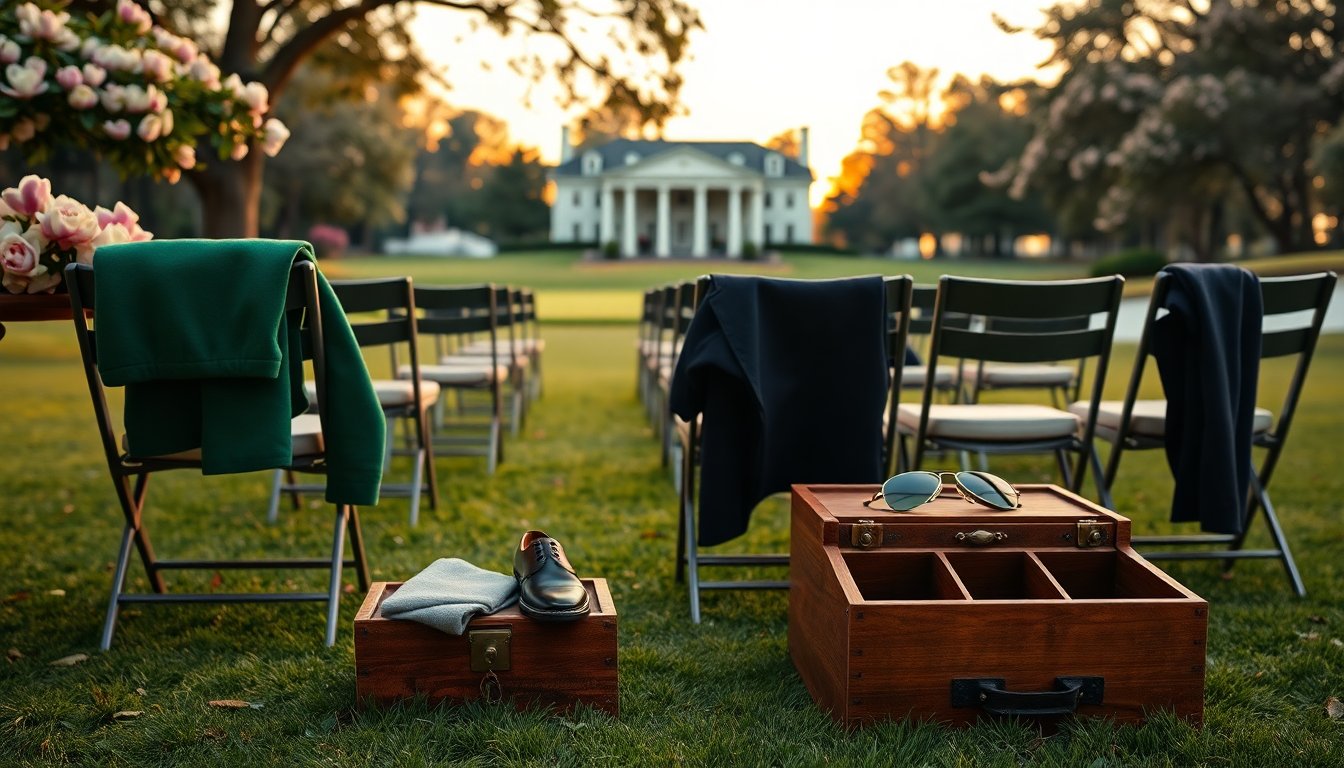
The scene at Augusta National Golf Club is a study in contrasts: famous faces rubbing shoulders with everyday fans, all united by a single set of rules. At the heart of that unity is the no-phone policy, a strict practice that forbids cell phones during tournament play and reshapes how people watch, talk and behave. Athletes like Rip Hamilton and Ryan Fitzpatrick have been seen arriving before dawn to claim prime spots with folding chairs, proving that even championship pedigree doesn’t exempt anyone from the same rituals required to enjoy the course. This communal experience is part of what makes the Masters feel like a living tradition.
Practice days offer a different pace — cameras and casual snapshots are tolerated early in the week — but once competition begins the atmosphere changes. Guests check phones at the entrance or leave them in their vehicles, and courtesy phones are stationed around the grounds for necessary calls. The result is a crowd that watches with its eyes, applauds with its hands, and exchanges conversation face to face. For visiting celebrities from sports, music and entertainment, the rules create a rare public space where brief, genuine interactions can happen without the interruption of flashes or livestreams.
The celebrity pilgrimage and the chase for a view
Some notable visitors treat a trip to Augusta like a mission. Former NBA star Rip Hamilton and long-serving NFL quarterback Ryan Fitzpatrick, for example, have been photographed making early morning rounds to secure on-course seating, highlighting how the tournament’s traditions translate into effort regardless of fame. Well-known figures including Niall Horan, Dwyane Wade, Rafael Nadal, Travis Kelce, the Manning family and others have taken advantage of the tournament’s accessibility to move among the galleries and follow groups on the fairways. These sightings are often low-key: brief nods, handshakes, and short conversations rather than prolonged fanfare, a pattern that underscores the egalitarian feeling on the grounds.
Why the no-phone policy matters
The no-phone policy functions as more than a security or privacy measure; it deliberately shapes behavior. With devices put away, applause and spontaneous reactions become the primary currency of appreciation. Musicians and athletes repeatedly say the absence of phones brings them back to a simpler way of spectating — one in which human interaction is unmediated by screens. For many fans, the decision to surrender a device creates an awareness of personal technology habits, triggering the realization that constant connectivity can be set aside for a few hours without losing anything essential.
Etiquette, intimacy and informal rules
Encounters between celebrities and the public at Augusta follow an informal code. Because cameras are not permitted during tournament days, introductions are typically brief and personal: a wave, a handshake, or a whispered compliment. This ritualized restraint means that even high-profile figures can enjoy normal conversation without the pressure of signing autographs for phones or being photographed for social feeds. The result is a type of civility that many visitors describe as refreshing, where the moment itself is prioritized over documenting it for later.
Practice rounds and limited leniency
Earlier in the week, the tone is looser: photographers and casual cameras are more common, and fans use those practice sessions to follow favorite golfers closely. But that leniency evaporates when the tournament begins. This distinction keeps the event approachable during preparation while preserving the sanctity of competition. For celebrities who arrive during practice days, it’s an opportunity to soak in the environment and then switch to the quieter, device-free mode that defines the core tournament experience.
What being on the grounds feels like
Walking Augusta National during tournament play feels like stepping into a communal ritual where landmarks — from the oak tree near the clubhouse to the rolling fairways and analog leaderboards — command attention. Food staples such as pimento cheese sandwiches and barbecue are part of the vernacular of the event, providing small comforts that anchor the day. Fans describe how sudden roars or scattered applause draw people together into compact, eager gatherings where strangers become temporary companions, united by curiosity. For celebrities, the setting offers respite: a place to move through a crowd without immediate extraction to private suites or staged photo ops.
Ultimately, the Masters’ blend of strict rules and accessible hospitality produces a rare public environment that levels distinctions between famous individuals and regular attendees. The Augusta experience demonstrates how a simple policy about devices and a commitment to tradition can reshape social interaction, making a sporting event feel less like a production and more like an encounter with the sport itself.


