
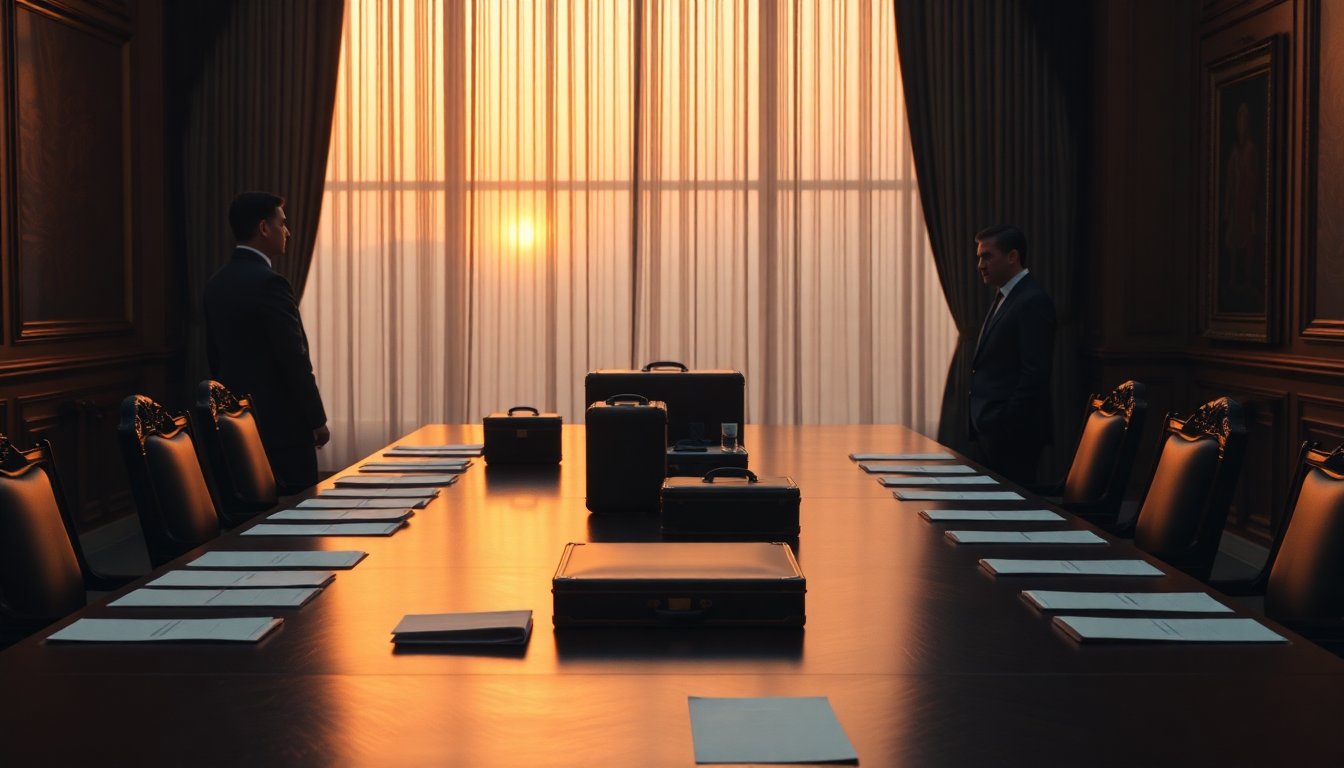
The cancellation by President Trump of a U.S. envoy visit to Pakistan has reshaped a fragile pathway toward talks with Iran. Two envoys, including Jared Kushner and Steve Witkoff, were due to meet Iranian representatives in Islamabad, but the United States called off the trip after receiving a written proposal it judged inadequate. The administration framed the move as a decision to preserve leverage rather than capitulate, saying it would handle follow-up by phone while keeping the option to reconvene in person open if terms improve. The reversal underscores how fragile peace processes can be when written offers fail to bridge political and strategic gaps.
At the same time, Iran’s diplomatic activity continued regionally: Iranian Foreign Minister Abbas Araghchi moved through Islamabad and was reported to be traveling to Oman and Russia as part of a shuttle diplomacy effort. Pakistan signaled willingness to mediate, while other regional players — including Turkey and Oman — remained active as indirect interlocutors. These parallel movements illustrate a common pattern: when direct talks stall, third-party channels and short-term maneuvers play a larger role in keeping dialogue alive and preventing escalation.
Diplomatic dynamics and the gap in proposals
The fundamental issue at the heart of the breakdown is a wide difference in expectations over terms and sequencing. The U.S. criticized the Iranian written offer as not meeting sufficient conditions, while Iran continued to press for concessions tied to relief from sanctions and an end to specific military pressures. Neither side has yet bridged the political cost of accepting the other’s minimum demands. Meanwhile, both capitals used public statements to shape perceptions: the United States emphasized that it retains all leverage, and Iran sought support from regional partners to bolster its negotiating posture. The result is a negotiation environment defined by caution and tactical posturing rather than steady progress.
Regional mediators and backchannel roles
With direct meetings postponed, mediators like Pakistan, Oman and Turkey have increased their profile. These states provide neutral ground for mediation — a process where a third party facilitates communication and proposes acceptable compromises without imposing terms. Their involvement can reduce the need for dramatic diplomatic face-to-face encounters and permit iterative exchanges of texts, clarifications and technical proposals. Yet mediation also requires credibility and political bandwidth; Pakistan’s and Turkey’s roles depend on their ability to coordinate with other stakeholders, including Russia and Gulf states that watch the outcome closely.
U.S. leverage and military implications
Behind the public rhetoric are military and logistical considerations that shape bargaining power. U.S. officials point to recent events that underscore strategic pressure points: reported strikes, surveillance and the United States’ maritime interdiction actions in the region. Reports that some U.S. military facilities suffered significant damage in recent clashes have heightened the stakes; officials estimate repair costs could be substantial. At the same time, Iran has warned that continued blockades or interdictions of its shipping would trigger a forceful response from its armed forces. Those warnings complicate purely diplomatic remedies and keep a military dimension present in every negotiation table.
Security flashpoints and wider regional fallout
While the diplomatic choreography evolves, violence between other actors has continued to complicate the picture. Exchanges between the IDF and Hezbollah in southern Lebanon, for example, have persisted despite a formal agreement intended to limit hostilities. Both sides accuse the other of violating terms, producing localized strikes, casualties and mutual warnings. Such flare-ups threaten to expand the conflict beyond the immediate U.S.-Iran standoff and add urgency to efforts aimed at a durable cessation of hostilities. These parallel confrontations make any negotiated settlement more fragile by raising the prospect of new shocks that could derail talks.
Paths forward: choices for Washington and Tehran
The canceled trip leaves a narrow set of realistic options: continue indirect text exchanges and phone diplomacy, reconvene envoys when written terms are improved, or push for a broader, multilateral framework involving regional guarantors. President Trump signaled a preference for handling talks remotely unless a materially better proposal arrives, while Iranian officials kept traveling to regional partners for guidance and support. Extending an existing ceasefire or agreeing to incremental, verifiable steps could create momentum, but both sides would need political cover to sell compromises domestically. If talks remain stalled, the risk of further military entanglement or escalation by proxy groups rises — underscoring why diplomatic patience and creative mediation remain critical.
In short, the aborted delegation trip did not end diplomacy; rather, it shifted the format and raised the bar for any next encounter. The outcome now depends on whether envoys and mediators can translate tactical exchanges into a credible, enforceable agreement that reconciles competing security concerns without igniting broader conflict. Until then, regional tensions, maritime movements and the condition of damaged military sites will continue to inform every diplomatic calculation.


