
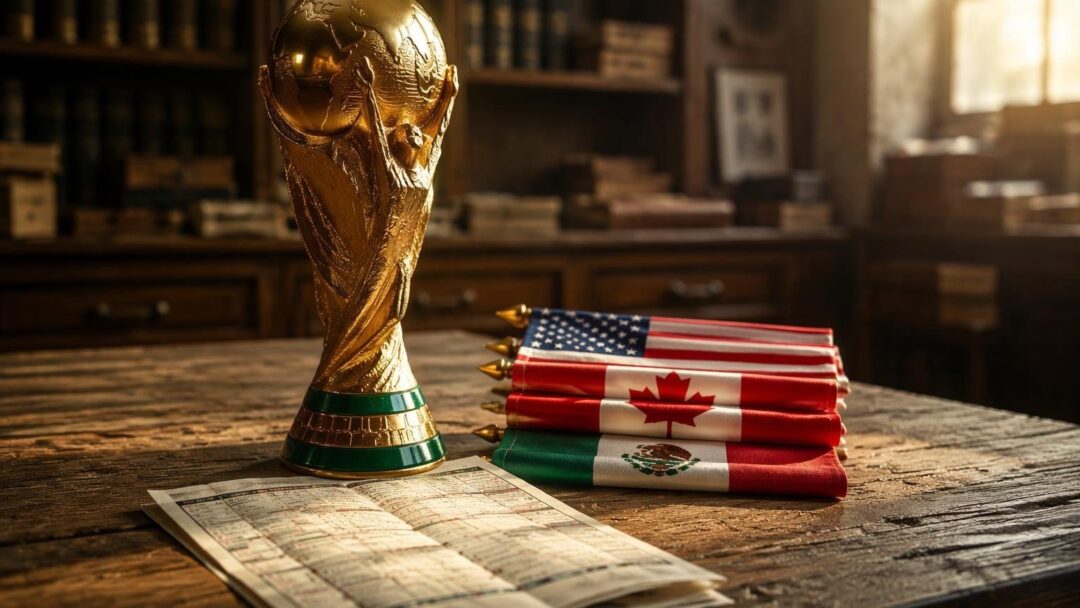
The 2026 World Cup, hosted across the United States, Canada, and Mexico, was a resounding success, thanks in part to the strategic decisions made by President Donald Trump’s administration. However, equally important were the policies that the administration chose not to implement, which played a crucial role in avoiding potential travel chaos.
Geoff Freeman, President and CEO of the U.S. Travel Association, highlighted these points in a letter to Trump. The association, representing over 1,000 organizations in the travel industry, credited the administration’s efforts in expediting visa processes, enhancing security, and streamlining airport procedures. But Freeman emphasized that the decisions not to implement certain policies were just as significant.
The Impact of Unimplemented Policies
Freeman’s letter pointed out several key policies that were considered but ultimately not enacted before and during the World Cup. These included the Visa Integrity Fee proposals involving Customs and Border Protection (CBP) officers at certain airports, and new travel authorization requirements for Visa Waiver Program (VWP) visitors.
The absence of the $250 Visa Integrity Fee allowed visitors from countries like Argentina to spend more on local businesses. The decision not to remove CBP officers from specific airports ensured efficient screening for both incoming and outgoing travelers. Additionally, the delay in implementing new ESTA requirements facilitated the arrival of large groups like Scotland’s ‘Tartan Army,’ who enthusiastically shared their positive experiences on social media.
The Economic and Diplomatic Benefits
The World Cup was not just a sporting event but also a significant boost to the U.S. economy and international relations. Data from U.S. Travel and Morning Consult revealed that more than 80% of World Cup travelers were interested in exploring beyond the host cities. This interest translated into a broader appreciation of American culture and attractions.
Moreover, 81% of Americans felt proud seeing international tourists enjoy U.S. food, culture, and attractions, while 86% experienced genuine joy watching visitors have a good time. These sentiments underscored the event’s role as an investment in both the economy and the country’s global standing.
The World Cup as a Blueprint for Future Events
The success of the 2026 World Cup has set a precedent for future global events. A poll found that 70% of Americans want the U.S. to host more major events like the Olympics, World Cup, and World’s Fair. With the U.S. set to host the 2028 Summer Olympics, the 2031 Women’s World Cup, and the 2034 Winter Olympics, the lessons learned from this tournament will be invaluable.
The administration’s strategic decisions, both in action and inaction, ensured that the 2026 World Cup was a seamless and enjoyable experience for millions of fans and athletes. This success story serves as a blueprint for future events, highlighting the importance of thoughtful policy-making in the realm of international sports.


