
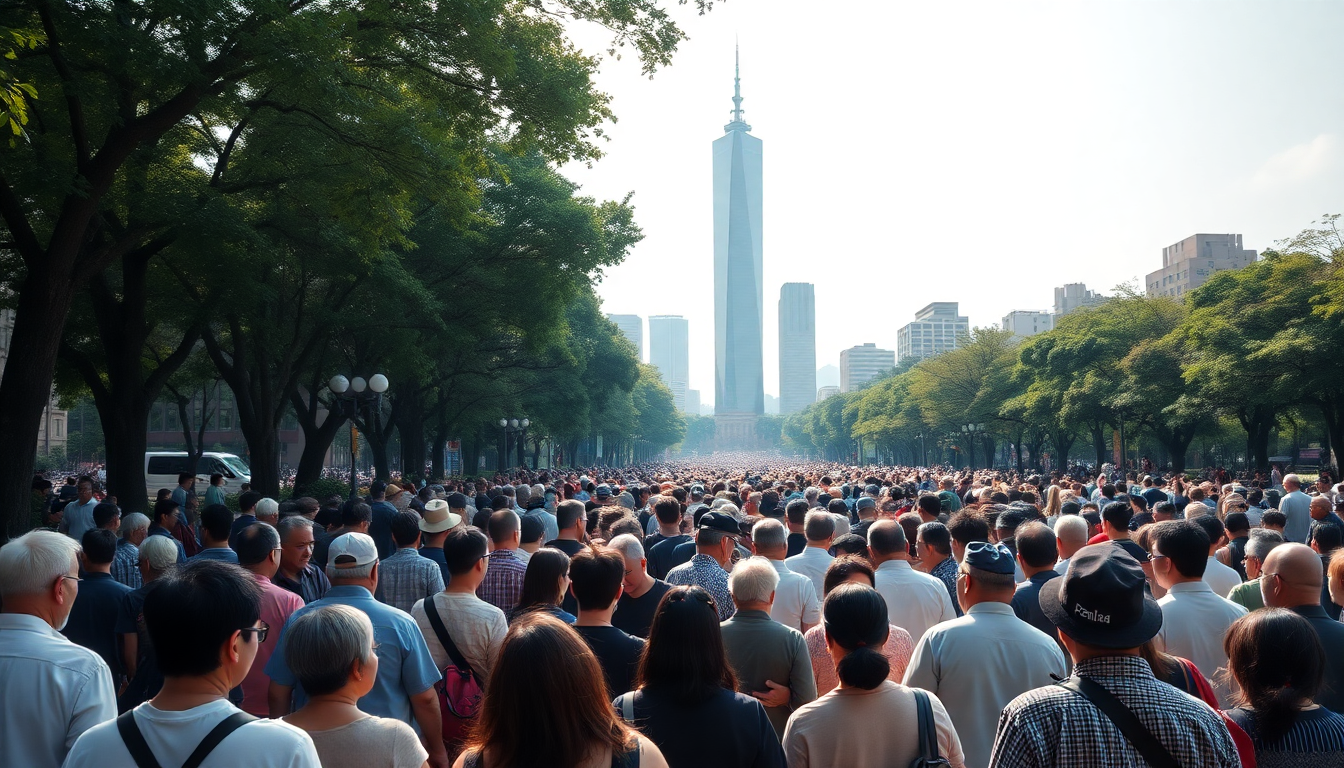
In Taiwan’s ever-evolving political scene, recent developments have revealed a notable shift in how the public views the ruling Democratic Progressive Party (DPP). Initially, the DPP’s strong anti-Beijing stance was seen as a necessary measure to protect Taiwan’s democracy. However, this approach is now facing growing scrutiny and fatigue from the electorate. This shift in sentiment was particularly evident during the recent recall votes, where lawmakers from the pro-Beijing Kuomintang (KMT) emerged unscathed, signaling a significant misstep by the DPP and its supporters.
Public Sentiment and Political Miscalculations
The DPP has built its campaign on a narrative aimed at rooting out what it labels “pro-China forces.” Yet, the backlash from these high-profile campaigns has sparked a growing weariness among voters towards the relentless anti-China rhetoric. Have you noticed how this disillusionment has coincided with political strategies that seem out of touch with the everyday lives of citizens? Many voters are calling for a more balanced approach—one that prioritizes local issues over an endless focus on perceived threats from Beijing.
Furthermore, the DPP’s tactics, which often involve portraying opponents negatively, haven’t struck a chord with the electorate. Political analysts are observing a shift: the once-effective strategy of rallying support through fear of China may now be losing its impact. Today, voters seem more concerned with governance issues and the ability of lawmakers to tackle pressing domestic challenges rather than engaging in ideological battles.
Beijing’s Growing Influence and Military Pressure
Amid these political changes, we can’t ignore the backdrop of increasing military pressure from Beijing. Since William Lai took office, the Chinese government has ramped up its military posturing, viewing Taiwan’s governance as a direct challenge to its sovereignty. Lai’s administration has made provocative statements that Beijing interprets as separatist, further complicating cross-strait relations.
This surge in military activity from China presents a significant challenge for the DPP, especially as public sentiment shifts. While the administration’s tough stance might have initially won support, ongoing military threats could prompt voters to reconsider their preferences, potentially leaning toward more diplomatic solutions instead of confrontation. Isn’t it intriguing how public opinion can pivot based on the geopolitical landscape?
The Role of the United States and Future Implications
The United States remains a vital player in Taiwan’s defense strategy, even though it doesn’t officially recognize Taiwan as an independent state. Washington’s commitment to providing Taiwan with defensive arms highlights the delicate balance of power in the region. However, this relationship is increasingly scrutinized by Taiwanese citizens, who are left wondering about the long-term consequences of U.S. support amid rising tensions.
Looking ahead, the DPP faces a complex challenge. The political landscape is shifting beneath their feet, and the party’s dependence on anti-China sentiment as a unifying theme may need a serious rethink. As public fatigue with this rhetoric continues to rise, the DPP might find it beneficial to shift its focus toward local governance, economic stability, and pragmatic solutions—ultimately enhancing its appeal to a more diverse electorate. What do you think—can a shift in focus really make a difference in the political climate of Taiwan?


