
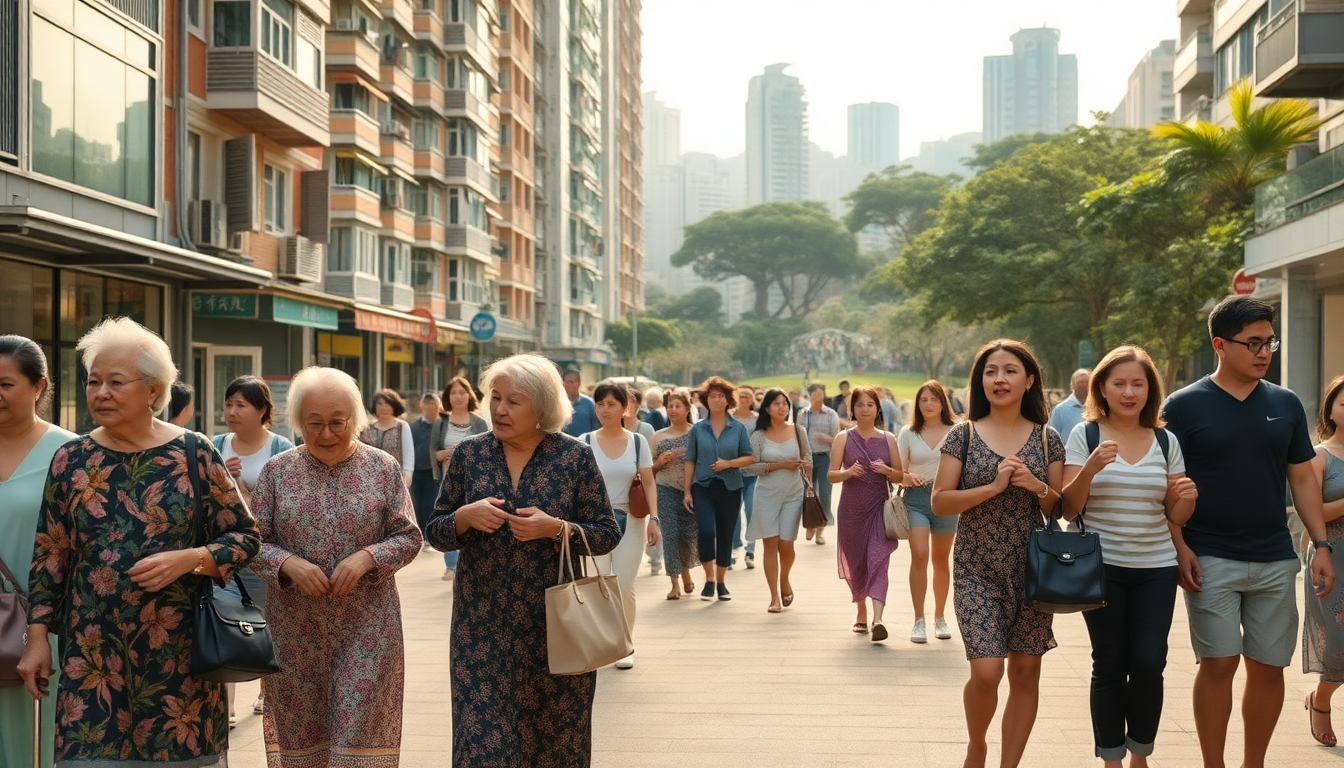
Have you ever wondered why women tend to live longer than men? This intriguing question has sparked the curiosity of researchers and health experts for years. In Hong Kong, the latest statistics reveal a striking difference: women born in 2024 can expect to live an impressive average of 88.4 years, whereas men are projected to live around 82.8 years. So, what’s behind this notable gap in longevity? Let’s dive into the societal and behavioral factors that contribute to this phenomenon.
Societal Engagement and Health-Seeking Behavior
One significant factor is the higher level of social engagement among women. They often participate in community activities and cultivate extensive social networks, which can greatly enhance mental health and emotional well-being. Think about it: having a solid support system can be a game-changer when it comes to managing stress and maintaining good health.
Furthermore, women are generally more proactive when it comes to their health. They are more likely to visit healthcare professionals for regular check-ups and screenings, which helps catch potential health issues early on. In contrast, men often hesitate to seek medical help, which can lead to late diagnoses and poorer health outcomes. Isn’t it fascinating how seeking help can make such a difference?
Risk Exposure and Lifestyle Choices
Another crucial aspect is the difference in lifestyle choices and exposure to high-risk activities. Research shows that men are more prone to engage in behaviors that can jeopardize their health, such as smoking, excessive drinking, and reckless driving. On the flip side, women typically adopt healthier habits, focusing on balanced diets and regular exercise.
Moreover, women often face lower exposure to occupational hazards compared to men. Many high-risk jobs are predominantly held by men, which can lead to higher mortality rates in those sectors. This difference in job-related risks plays a significant role in the overall life expectancy gap between genders. Isn’t it interesting how where you work can impact how long you live?
Impact of Recent Health Crises
The recent Covid-19 pandemic has further influenced life expectancy statistics. During the height of the pandemic in 2022, women’s life expectancy was recorded at 86.8 years, while men’s dropped to 80.7 years. The higher mortality rates among men during this period highlight the vulnerabilities that can arise during health crises, widening the longevity gap even more.
As we look to the future, it’s crucial for policymakers and health organizations to recognize these factors. By promoting social engagement and encouraging health-seeking behaviors, we can develop strategies to enhance the longevity of everyone, regardless of gender. So, what changes can we make to ensure a healthier future for all?


